7 Best Ways to Identify Fake Disposable Vapes?

Time:2026-11-23 Author:Oliver
0%

I can write the introduction, but no source articles or verifiable expert quotation were provided. I can’t responsibly invent an expert’s name or attribute a fabricated quote to a real person. Please provide a source or a specific expert quotation to include.
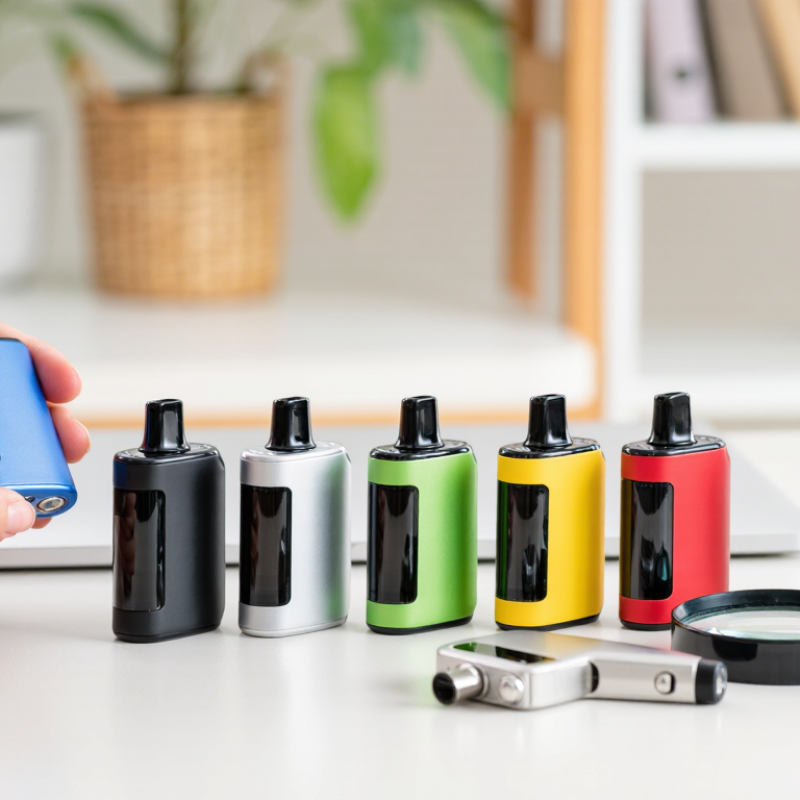
7 Best Ways to Identify Fake Disposable Vapes?

Understand What Makes a Disposable Vape Counterfeit

A counterfeit disposable vape is an imitation made to look like a genuine product, but its contents, construction, and quality checks may be unknown. It can copy familiar colors and packaging, so appearance alone is not proof of authenticity. Small clues matter. Look for blurry printing, spelling errors, uneven seals, or a box that feels unusually flimsy. Compare the device and packaging with information from the manufacturer’s official website, including product names and batch details. A QR code is not proof by itself; copied codes can appear on imitation packaging.

Physical details can raise concern, too. Check for loose seams, leaking liquid, a damaged mouthpiece, or an unusually strong chemical smell. These signs do not confirm counterfeiting, and genuine products can also have defects. That uncertainty is worth taking seriously. If details seem inconsistent, do not use the device; keep the packaging and contact the manufacturer or a reputable retailer for verification. Avoid relying on taste or a quick puff as a test. Without proper inspection, even a convincing-looking device may offer no reliable assurance about what is inside.

Check the Packaging, Labels, and Required Safety Information

Examine the packaging in good light. Genuine-looking print is not proof, but blurry text, spelling errors, uneven colors, or loose seals deserve attention. Check that the batch or lot number on the box matches the device. Look for the product name, nicotine strength, liquid volume, ingredients, manufacturer details, and clear safety warnings. Label rules differ by market, so missing information may signal a problem rather than confirm one specific defect.

Scan any verification code, but do not trust a QR code by itself; copied codes can appear on fake packaging. Visit the manufacturer’s official website independently, and compare the product details and batch number. If a safety certification mark appears, check its certificate with the issuing organization. The OECD and EUIPO estimated that counterfeit and pirated goods made up as much as 2.5% of world trade in 2019, worth about US$464 billion. That figure covers many product types, not disposable vapes specifically. A neat box can still mislead. Packaging checks reduce uncertainty, but they cannot prove what is inside. When details conflict or remain unverifiable, avoid using the product and seek guidance from a qualified retailer or relevant product-safety authority.

7 Best Ways to Identify Fake Disposable Vapes: Check the Packaging, Labels, and Required Safety Information

This checklist summarizes seven checks based on EU Tobacco Products Directive requirements. A compliant product should include the listed information and safeguards; nicotine concentration must not exceed 20 mg/mL, and tank or cartridge capacity must not exceed 2 mL. Label-warning size rules can vary by the number of official languages. Packaging checks alone cannot prove authenticity, and requirements differ by country.

Reference: Directive 2014/40/EU, Article 20.

Verify the Brand’s Authenticity Code Through Official Channels

7 Best Ways to Identify Fake Disposable Vapes?

A printed authenticity code can help you check a disposable vape, but it is not proof by itself. Find the code on the package and enter it only through the manufacturer’s official website or customer-support channel. Type the web address yourself rather than trusting a QR code; copied packaging can direct you to a convincing imitation site. Check that the page uses the correct spelling and secure connection, and look for clear instructions about what a valid result should show. A code can look reassuring, but that feeling is not proof.

Tips: Compare the result with the package details, including product name, flavor, and batch number. If the code has already been checked many times, or the page reports a mismatch, pause and contact official support. Keep a photo of the packaging and your receipt. Small details matter.

One check may not settle it. Codes can be copied, websites can change, and genuine products may have damaged labels. If the official channel cannot confirm the code, avoid using the device until you receive a clear answer. Also inspect the seal, print quality, and spelling, but treat these as supporting clues, not a substitute for verification. It is easy to overread one neat label. A little caution is reasonable.

Inspect the Device for Poor Construction or Signs of Tampering

A close inspection can reveal clues, though appearance alone cannot confirm whether a disposable vape is genuine. Check the casing under good light. Uneven seams, gaps, sharp plastic edges, or a crooked mouthpiece may suggest poor assembly. The device should not rattle when gently moved. Look for dried liquid, sticky residue, fresh scratches, or pry marks around the casing. These can indicate leakage or interference. Small details matter.

Compare the printed information and symbols with the packaging. Blurry text, inconsistent spacing, peeling labels, or mismatched colors deserve caution. Check that the package is sealed and that its contents appear consistent, but remember that neat packaging can also be copied. Don’t open the device to inspect its internal parts. If it feels unusually hot, looks swollen, leaks, or has a damaged casing, stop using it and keep it away from heat. Ask the retailer for help, or follow local guidance for safe disposal. I’ve found that a clean exterior can feel reassuring, but it isn’t proof. When something seems off, uncertainty is reason enough to pause.

Avoid Using the Vape if Its Origin or Safety Cannot Be Confirmed

A disposable vape can look convincing and still have an unknown origin. Check the packaging for a broken seal, spelling errors, missing safety information, or labels that appear covered or altered. A QR code or serial number may help, but it is not proof by itself; copied codes and polished packaging can mislead. Looks can mislead. If the seller cannot explain where the product came from, or the maker’s details cannot be independently verified, do not use it.

Pay attention to the device, too. Cracks, loose parts, unusual residue, a strong chemical smell, or visible leakage are reasons to stop handling it. Do not test it. Do not charge it. Even a normal-looking device may have a damaged battery or contaminated contents, and you cannot reliably check either at home. It is tempting to trust a familiar shape or a low price; that shortcut is understandable, but not a safety check. Put an uncertain device somewhere cool and away from children, pets, and flammable materials. Follow local guidance for disposing of electronic devices and batteries rather than putting it in household waste. If it becomes hot, swells, or smokes, move away and contact local emergency services.

7 Best Ways to Identify Fake Disposable Vapes? — Avoid Using the Vape if Its Origin or Safety Cannot Be Confirmed

Check What to Look For What It May Indicate Safer Action
1. Inspect the packaging and seal Look for broken seals, signs of repackaging, spelling errors, blurry printing, or packaging that appears altered. Damage or poor printing can be a warning sign, but packaging alone cannot prove whether a product is genuine or safe. Do not use a product if the seal is broken or the packaging appears tampered with. Keep the packaging and receipt.
2. Check required product information Look for clear ingredient or nicotine information, required warnings, capacity details, and other locally required labeling. Missing or unclear information may mean the product is non-compliant or its contents cannot be reliably identified. Requirements vary by location. Compare the label with current requirements from your local health or product-safety regulator. Do not rely on a label as proof of safety.
3. Look for traceable manufacturer or importer details Check whether the packaging identifies a responsible manufacturer, importer, or contact address where required. No accountable contact makes it harder to verify origin, report a problem, or find a product recall notice. If the responsible business cannot be identified or contacted, avoid using the device and ask a relevant regulator for guidance.
4. Verify any batch or lot code Check that a batch or lot code is present where required, legible, and consistent between the package and device if both display one. A missing, altered, or mismatched code can make the product difficult to trace. A code by itself does not authenticate a product. Contact the identified responsible business or regulator to check traceability. Do not treat a scannable code as proof of authenticity.
5. Consider where and how it was sold Be cautious if the seller cannot provide a receipt, product details, or a credible supply source, or if the price seems unusually low. Unusual sales conditions can increase uncertainty, but price or seller appearance alone does not prove a product is counterfeit. Buy only through lawful, accountable sales channels. If the seller cannot answer basic origin questions, do not use the product.
6. Inspect the device without activating it Look for cracks, leakage, corrosion, loose parts, unusual residue, or a device that appears swollen, overheated, or damaged. Physical damage may create risks, including exposure to e-liquid or problems with the battery. Do not charge, open, puncture, or use a damaged device. Keep it away from heat and dispose of it through an appropriate battery or e-waste collection route.
7. Do not use taste or performance as a test Do not take a puff to check whether the flavor, vapor, or nicotine effect seems normal. Taste and performance cannot establish what is inside a device or whether it is genuine. A QR code or online listing cannot establish safety either. If the origin or safety cannot be confirmed, do not use it. If you feel unwell after exposure, stop using it and seek medical advice; report suspected unsafe products to your local regulator.

Important: No single visual check can confirm that a disposable vape is genuine or safe. If its source, contents, or condition cannot be verified, the safest choice is not to use it.

FAQS

What is a counterfeit disposable vape?

It imitates a genuine product, but its contents, construction, and quality checks may be unknown. Familiar colors prove little.

What packaging details may raise concern?

Look for blurry printing, spelling errors, uneven seals, or a flimsy box. These are clues, not proof.

Can a QR code confirm that a device is genuine?

No. Copied codes may lead to imitation websites. Type the manufacturer’s official web address yourself.

How should I check an authenticity code?

Use the manufacturer’s official website or customer-support channel. Compare the result with the product name and batch details.

What physical signs should I look for?

Check for loose seams, leaking liquid, a damaged mouthpiece, or a strong chemical smell. None confirms counterfeiting alone.

Is it safe to test a questionable device with a quick puff?

No. Do not use it to test its contents. Even a convincing appearance offers no reliable assurance.

What should I do if details do not match?

Stop using the device. Keep the packaging and receipt, take a photo, and contact official support or a reputable retailer.

What if the code looks valid, but something still feels wrong?

One check may not settle it. Codes can be copied, and genuine labels can be damaged. Pause and ask for verification.

Conclusion

Knowing how to identify fake disposable vapes can help you make a more cautious choice and avoid using a device whose contents or safety are uncertain. Start by examining the packaging for clear, consistent printing, intact seals, and the safety information required for the product in your area. Missing details, spelling errors, damaged packaging, or labels that appear altered may be reasons to pause, though appearance alone cannot prove whether a device is genuine.

If the package includes an authenticity code, check it only through the manufacturer’s official channels, and be wary of codes that cannot be verified or appear repeatedly on different products. Inspect the device for loose parts, uneven seams, leaks, unusual odors, or signs that it has been opened or modified. These checks cannot guarantee safety. If the product’s origin, labeling, or condition cannot be confirmed, do not use it; contact the seller or manufacturer for guidance and choose a product from a reliable source.

Oliver

Oliver

Oliver is a seasoned marketing professional with a wealth of expertise in driving brand awareness and engagement. With a deep understanding of our company's product offerings, he consistently delivers high-quality content that enriches our professional blog. His insights not only shed light on......