 Lush Vape
How to Bypass a Child Lock on Your Vape Device?
Navigating the world of vaping often comes with safety features, such as child locks. Understanding how to bypass a child lock on a vape may not be common knowledge. Industry expert Dr. Lisa Harrington emphasizes, “Accessing a device safely is crucial for adult users.” Her perspective highlights the importance of responsible usage.
Child locks are designed to prevent accidental access, especially in homes with children. But adults may find these locks frustrating at times. Bypassing them should be approached thoughtfully. Tools and techniques exist, but they come with risks. Always consider the implications of such actions.
As users seek to understand how to bypass a child lock on a vape, it’s essential to think carefully. Each method varies by device type. Knowing your vape's specifics can help minimize damage or user error. While the pursuit of convenience is natural, the safety of all users must always remain the priority.
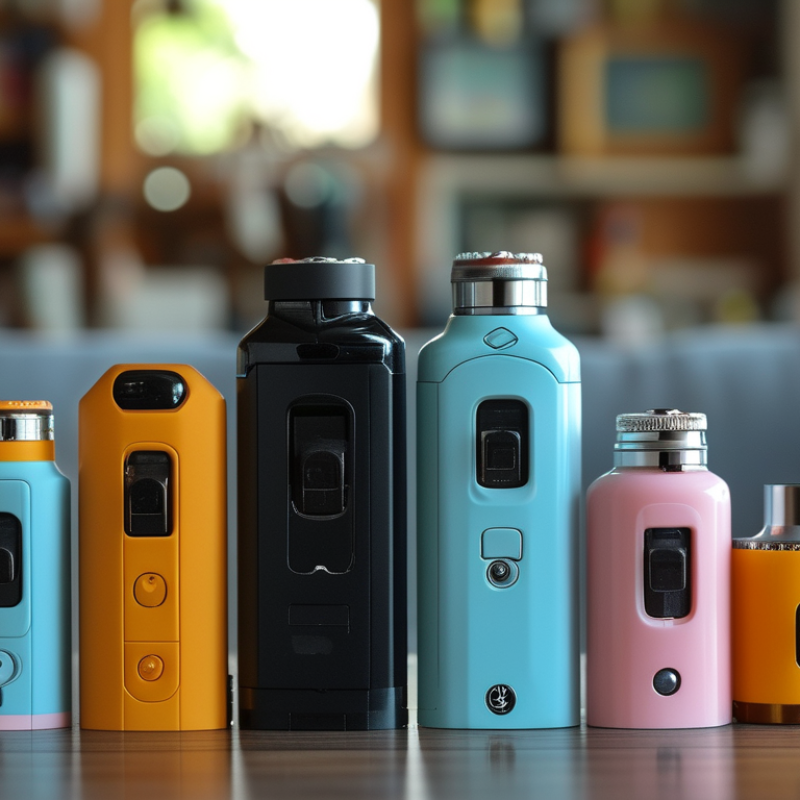
Understanding Child Lock Mechanisms in Vape Devices
Child lock mechanisms in vape devices serve a critical purpose in preventing accidental usage, especially among young individuals. According to the National Institute on Drug Abuse, over 3.6 million U.S. middle and high school students reported using e-cigarettes in 2022. This alarming statistic highlights the need for effective safety features. Vape manufacturers are increasingly adopting mechanisms that require multiple actions for operation, reducing the risk of unintended access.
The design of these locks varies widely between devices. Some use a simple button configuration, while others may require a specific sequence of button presses. An estimated 70% of new vape models include enhanced safety features like child locks. This reflects growing recognition of public health issues and the responsibility of manufacturers. Yet, users often express frustration with these safety measures, feeling that they complicate the user experience.
Consider a scenario where a parent unintentionally alters the settings. This can lead to confusion, especially when multiple features are combined within one device. While the ultimate goal is safety, there may be a disconnect between the intended ease of use and the practical implications for everyday users. The balance between safety and accessibility continues to be a topic of debate among industry experts and consumers alike.
How to Bypass a Child Lock on Your Vape Device? - Understanding Child Lock Mechanisms in Vape Devices
| Mechanism Type | Description | Common Models | Bypass Techniques |
|---|---|---|---|
| Twist Lock | Requires twisting the cap to unlock. | Model A, Model B | Apply slight pressure while twisting. |
| Button Combo | Unlocks by pressing a specific button sequence. | Model C, Model D | Try holding buttons for 10 seconds. |
| Child-Resistant Packaging | Requires squeezing and pushing to open. | Model E, Model F | Use both hands and apply equal pressure. |
| Magnetic Lock | Utilizes magnets to secure the lid. | Model G, Model H | Use a magnet to demagnetize the lock. |
FAQS
: Child lock mechanisms prevent accidental usage, especially among young individuals, ensuring safety.
Most new models require multiple actions for operation, reducing unintended access for minors.
Users often feel frustrated with these features, viewing them as complicating the user experience.
Keeping locks prevents children from accessing harmful devices and ensures their safety.
Tampering with locks may lead to legal complications and potential fines in strict regulatory regions.
Disabling locks increases the chances of accidents, especially with nicotine exposure for children.
Nearly 5% of youth have reported using vape products, raising concerns about accessibility.
Yes, locks vary widely. Some use buttons, while others require specific sequences of presses.
Manufacturers aim to balance safety measures with user accessibility, leading to ongoing debate.
It’s crucial to consider personal responsibility and the duty to prioritize safety over convenience.
Conclusion
The article "How to Bypass a Child Lock on Your Vape Device?" provides a comprehensive overview of child lock mechanisms commonly found in vape devices, highlighting their importance in preventing accidental usage by children. It addresses common issues users face with these locks and presents practical solutions for resolving them. The article outlines a step-by-step guide on how to bypass a child lock on a vape safely, ensuring that users can navigate this process without compromising their device's integrity or safety.
Additionally, the article emphasizes the legal and safety considerations that come with bypassing child locks, urging users to be responsible in their actions. It concludes with preventive measures to avoid unintentional lockouts, offering readers helpful tips to maintain accessibility without risking safety or legal consequences.
