 Lush Vape
How to Effectively Hide the Smell of Vape Smoke?
Vaping has become increasingly popular, but the scent it leaves can be a concern. Many people are searching for effective ways on how to hide the smell of vape smoke. Unlike traditional cigarette smoke, vape clouds can linger in fabrics and air. The aromas can be strong and often stay longer than desired.
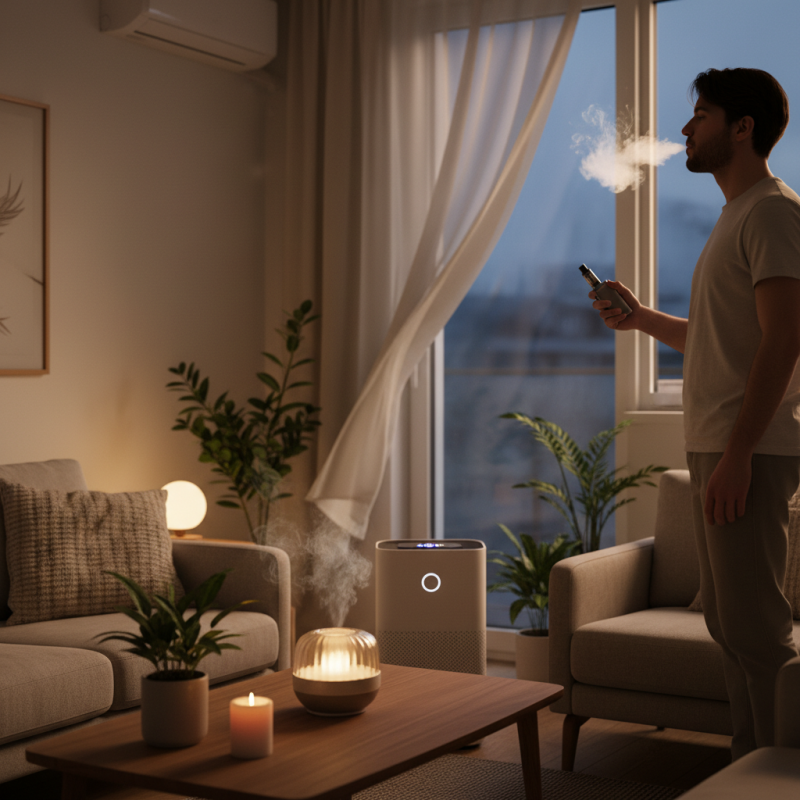
To mask these odors, it's essential to understand the sources of the smells. Using air purifiers or ventilating the area can help. Additionally, incorporating essential oils or scented candles might reduce the impact. Many find these methods helpful but not foolproof. They may require a combination of techniques to achieve the best results.
It’s also worth noting that some substances may simply overpower any scent removal efforts. Reflecting on personal habits can lead to better choices in management. Ultimately, effectively hiding the smell of vape smoke involves understanding your environment and adopting multiple strategies to minimize it.
Understanding the Composition of Vape Smoke and Its Odor
Vape smoke is a complex mixture of chemicals. Understanding its composition helps in managing the odor. A study published in the *Journal of Tobacco Control* states that vape aerosol contains both particulate matter and volatile organic compounds. Studies show that these components contribute to distinct smells. Commonly reported scents include sweet, fruity, or dessert-like odors.
In a survey from the *American Vaping Association*, 75% of vapers admitted their aerosol left unpleasant smells. This indicates a significant concern for many users. The key odor-producing elements are glycerin, propylene glycol, and various flavoring agents. Glycerin itself is odorless, but when heated, it can produce a sweet smell. Flavoring compounds, on the other hand, can be quite potent. Some users noted that vanilla and fruit flavors linger more than others.
Many people find it challenging to adequately mask these odors. Rooms may retain smells even after ventilation. Some studies suggest that charcoal air purifiers can reduce these odors effectively. However, results can vary. Experimentation may be required to find the most effective method for each setting.
How to Effectively Hide the Smell of Vape Smoke? - Understanding the Composition of Vape Smoke and Its Odor
| Component | Description | Odor Strength | Common Solutions |
|---|---|---|---|
| Propylene Glycol | A common base in e-liquids, has a slight sweet odor. | Low | Ventilation, air purifiers |
| Vegetable Glycerin | Thicker base, can produce a sweeter smell. | Medium | Essential oils, scented candles |
| Flavorings | Variety of flavors used, can range from fruity to minty. | High | Odor neutralizers, air fresheners |
| Nicotine | Addictive substance, typically odorless when vaped. | None | N/A |
| Other Chemicals | Can include various compounds with varying odor profiles. | Variable | Activated charcoal, air filters |
FAQS
: Ventilation reduces lingering odors and decreases particulate matter by up to 90%.
Open windows and use fans to carry away vapor and stale air efficiently.
Positioning a fan near a window pulls fresh air in while pushing stale air out.
Regularly change filters to enhance air quality and lessen residual odors.
Yes, certain plants, like spider plants, absorb toxins and purify the air.
No, combining biological and mechanical methods is crucial for the best results.
Use air purifiers with HEPA filters and specific odor absorbers targeted at vape smells.
Bicarbonate of soda is effective; sprinkle it in areas where vaping occurs.
Essential oil diffusers can mask residual scents and create a pleasant environment.
Clean surfaces often to prevent dust and grime from trapping scent particles.
Conclusion
Hiding the smell of vape smoke can be challenging but with the right strategies, it can be effectively managed. Understanding the composition of vape smoke is crucial, as it comprises various chemical compounds that contribute to its distinctive odor. To mask this smell, common scents like vanilla, mint, and citrus can be employed, as they help to disguise the vape odor effectively.
In addition to using fragrances, adopting techniques to reduce the visibility of vape smoke, such as taking smaller puffs and avoiding exhaling directly into the air, significantly aids in minimizing its presence. Ensuring proper ventilation in the space is essential; opening windows and using fans can help dissipate the smoke more quickly. Lastly, selecting suitable odor-neutralizing products can effectively combat lingering scents, providing a cleaner environment. By following these tips on how to hide the smell of vape smoke, individuals can vape more discreetly.
