As vaping becomes more popular, questions arise about regulations around the world. One essential query is: "what is the legal vaping age in different countries?" This information is crucial for both users and policymakers. Countries vary widely in their approach to legal vaping ages. In some places, it’s as low as 16. In others, it can be as high as 21.
Dr. Emily Carter, a leading expert on vaping regulations, states, "Understanding the legal age for vaping is essential for creating responsible policies." Her insights emphasize the importance of age restrictions to protect youth. The age varies not only by country but also by regions within countries. This makes it a complex issue.
Navigating the laws can be challenging. Many people might not be aware of the legal age in another country while traveling. Misinformation could lead to unintentional violations. Therefore, knowing the exact legal age for vaping is more critical than ever as regulations evolve.
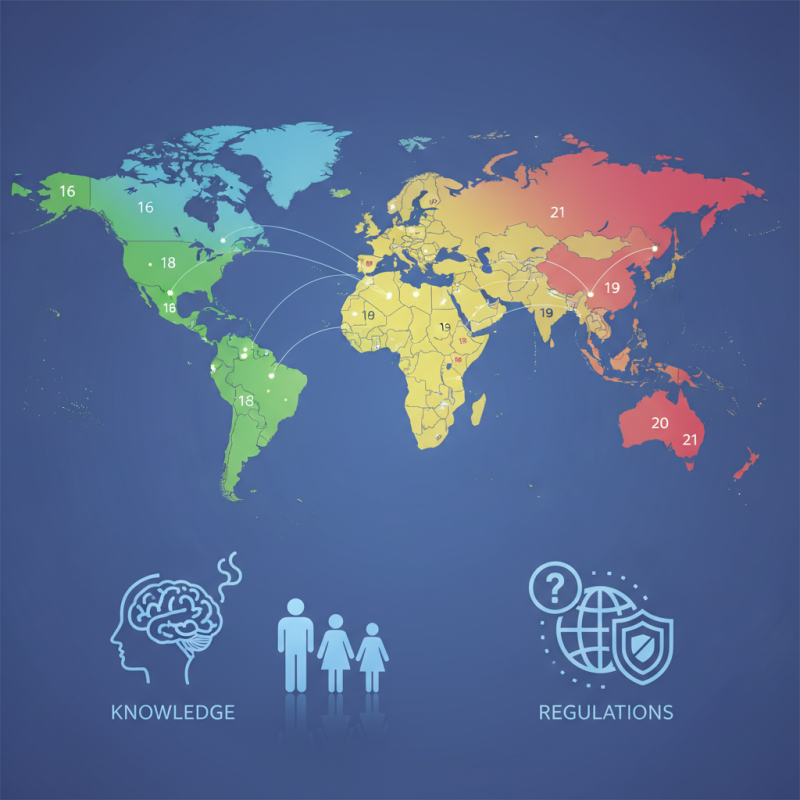
Global Overview of Legal Vaping Age Regulations in 2026
As we approach 2026, understanding the global legal vaping age is crucial for public health and legislation. Current data indicates that countries vary widely in their minimum legal age for vaping. For instance, nations such as Canada and the UK have set the legal age at 18. Meanwhile, some regions in the United States place it at 21, reflecting a growing trend toward more stringent regulations.
Recent reports highlight the ongoing debates about the health impacts of vaping, particularly among youth. A study published by the National Institute on Drug Abuse found that approximately 30% of high school students have experimented with vaping. This alarming statistic has led many lawmakers to reconsider age restrictions. Some express concerns that raising the legal age may drive underage users to illicit markets, creating further public health challenges.
While the intent behind age regulations is protective, evidence suggests that enforcement remains inconsistent. In Australia, the legal vaping age is set at 18, yet many surveys show difficulty in compliance. This inconsistency raises questions about the effectiveness of current policies and points to the need for better education and resources. Addressing these gaps is vital in shaping future vaping regulations that truly protect young people.
Country-Specific Legal Vaping Age Breakdown
When discussing the legal vaping age worldwide in 2026, it's important to note the significant differences between countries. For example, in some countries, the legal age may still be 18, while others have raised it to 21 or even 25. This discrepancy often stems from varying cultural attitudes towards smoking and vaping. Countries like Japan and South Korea have stricter regulations compared to many Western nations.
Understanding these differences can be crucial for travelers or residents. Check local laws to avoid potential fines or legal issues. Compliance with these regulations is essential for responsible behavior. Some regions might require identification to verify age.
Tip: Always carry your ID when vaping in public spaces. This simple step can save you from unwanted encounters with law enforcement.
Another consideration is the evolving legal landscape. Laws can change, and new regulations may emerge by 2026. Keeping informed about these changes is vital. Participating in community discussions can also help you stay updated.
Tip: Follow local vaping advocacy groups for the latest news on regulations. Engaging with these communities can enhance your understanding of the societal norms around vaping.
Impact of Legal Vaping Age on Public Health Policies
The legal vaping age varies across countries, significantly impacting public health policies. A study from a global health organization revealed that strict age regulations can reduce vaping rates among youth. For instance, countries with a legal age of 21 reported a 15% decrease in adolescent vaping over two years. This statistic suggests that age restrictions may effectively protect younger populations.
Moreover, research indicates that public health policies adapting to these age regulations lead to broader health benefits. For instance, regions enforcing higher legal ages have noticed lower rates of nicotine addiction among teenagers. This trend raises an important question: Are current vaping laws stringent enough to deter youths effectively? Countries need continuous assessment of regulations to ensure they remain relevant and effective.
Tip: Encourage open conversations about vaping among teens. Education can be powerful in preventing misuse.
Finally, while progress is visible, concerns linger. The disparity in legal ages globally raises questions about fairness and consistency in public health approaches. Are some regions doing enough to safeguard their youth? The conversation must continue.
Trends in Youth Vaping and Legal Age Legislation
Trends in youth vaping continue to raise concerns around the globe. As countries update their legal vaping age, parents and educators grapple with the implications. Increasing accessibility and lower stigma have led to more young people experimenting with vaping. Understanding this landscape is critical for those involved in youth welfare.
In 2026, many countries will implement stricter age regulations. These laws aim to curb youth access and promote healthier choices. Countries that previously had a lower legal age are reassessing their policies due to rising vaping rates among teenagers. Data shows that areas with stricter laws see a decrease in youth vaping. Although this trend appears promising, it raises questions about enforcement and public awareness.
**Tips:** Talk to teenagers about the risks of vaping. Understanding their motivations can open fruitful discussions. Encourage environments where open dialogue is accepted. Monitoring community trends also offers insights into changing behaviors and can help shape effective strategies.
Global Legal Vaping Age by Country in 2026
This chart illustrates the legal vaping age across various countries in 2026. As trends in youth vaping continue to evolve, understanding these legal age regulations is crucial for public health and policy-making.
Comparative Analysis of Enforcement and Compliance Mechanisms
As countries prepare to enforce legal vaping ages by 2026, the landscape is becoming increasingly complex. Enforcement varies dramatically. Some nations have implemented strict age verification processes, while others rely on self-regulation. This disparity raises questions about compliance. In jurisdictions with robust enforcement, underage vaping rates appear lower. Countries might examine these successful strategies.
However, the challenge lies in consistent application of laws. The effectiveness of compliance mechanisms often depends on local culture and enforcement resources. In areas with limited oversight, regulations may exist only on paper. It's vital to address these gaps. Are governments doing enough to support enforcement agencies? Additionally, the role of community awareness plays a crucial part in compliance. Education campaigns can bridge the gap between law and behavior.
In some places, loopholes in the law create confusion. Vendors may exploit these gaps to maintain sales. This raises ethical concerns about responsibility. Effective compliance mechanisms should involve not just punishment, but also education. A balance must be struck to ensure the health and safety of younger populations while respecting legal frameworks. There is no one-size-fits-all solution, and ongoing reflection will be essential as laws evolve.
FAQS
: The legal vaping age varies significantly. Some countries set it at 18, others at 21 or 25.
Differences arise from cultural attitudes towards smoking and vaping, impacting regulations.
Always check local laws regarding vaping. Carry identification to verify your age.
Strict age regulations help reduce vaping rates among youth, protecting their health.
Ongoing assessments are necessary to ensure laws effectively deter youth vaping.
Regions with stricter laws have noticed a decrease in nicotine addiction among teenagers.
Open conversations on vaping risks can enhance understanding and encourage healthier choices.
Laws may change and new regulations can emerge, affecting youth access to vaping products.
Follow local advocacy groups for the latest news and engage in discussions.
Disparities in legal age regulations raise questions about fairness and effectiveness of policies.
Conclusion
The article "Global Legal Vaping Age by Country in 2026: What You Need to Know" provides a comprehensive overview of the regulations surrounding the legal vaping age across various nations. It delves into what is the legal vaping age in different countries, offering a breakdown of the legal standards set by each state. Furthermore, it discusses the implications of these regulations on public health policies and the rising trends in youth vaping, highlighting how legislative measures are evolving in response to these challenges.
In addition, the piece conducts a comparative analysis of enforcement and compliance mechanisms associated with vaping regulations, examining how different countries approach the implementation of legal age restrictions. This exploration serves to inform readers about the importance of age restrictions in protecting public health, particularly among younger populations, while also considering the effectiveness of existing laws in curbing youth access to vaping products.
 Lush Vape
