How to Hide Vape Smoke Smell Safely in 2026?

Time:2026-10-14 Author:Oliver
0%

Vape aerosol can leave a sweet, chemical-like odor on curtains, clothing, hair, and car seats. This guide explains how to hide the smell of vape smoke safely, without pretending that odor removal is instant or perfect. Although people often say “smoke,” vaping produces aerosol, and the scent can behave differently from tobacco smoke. That distinction matters when choosing practical cleaning methods.

The safest approach is source control, fresh airflow, and surface cleaning. Stop vaping indoors when possible. Open windows, use an exhaust fan, and avoid spraying heavy fragrances over the odor. Perfume may create a stronger mixture instead of removing the cause. Wash exposed clothing, wipe hard surfaces with suitable household cleaner, and clean fabric items according to their care labels. Activated-carbon filters can help in some spaces, but they need proper replacement and cannot guarantee complete removal.

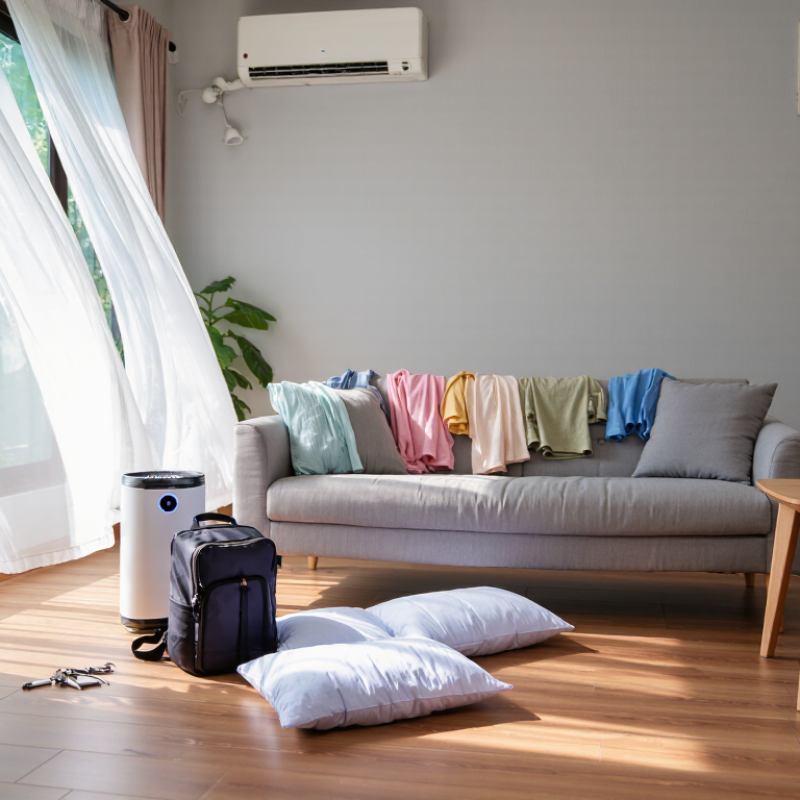
Small details often reveal lingering odor. Check pillowcases, car upholstery, backpacks, and the area around a window. A room may smell clean while fabric still holds the scent. I have found that rushed masking methods usually disappoint, especially in warm rooms. Results depend on airflow, device ingredients, frequency of use, and the material involved. This article focuses on lawful, responsible odor reduction, not concealing vaping from parents, employers, landlords, or safety personnel. If children, pets, or people with breathing conditions share the space, outdoor use and clean air should take priority.
How to Hide Vape Smoke Smell Safely in 2026?

What Causes Vape Odor and How Long It Usually Lasts

How to Hide Vape Smoke Smell Safely in 2026?

Vape odor usually comes from aerosol, not traditional smoke. Its scent comes from flavor compounds, propylene glycol, vegetable glycerin, and heated residue. Some aromas smell sweet, fruity, minty, or slightly burnt. The device, liquid, temperature, and airflow can all change the result.

It may fade within several minutes in a well-ventilated room. In a closed space, the smell can remain for one to several hours. Fabrics, curtains, hair, and upholstery may hold odor longer.

It lingers. Airflow matters.

There is no perfect timing estimate. A small room with still air may keep the scent noticeably longer than an open room. Humidity can also affect how quickly particles settle. A common mistake is spraying fragrance immediately, because it may create a stronger mixed smell.

Ventilation works more reliably: open windows, use an exhaust fan, and allow fresh air to circulate. Wash hands, change outer clothing, and clean nearby hard surfaces when needed.

Avoid vaping around children, pets, or people with breathing conditions. The aerosol may be less visible than smoke, but it is not simply clean air. Keep expectations realistic, because odor removal is not the same as removing every airborne substance.

How to Ventilate the Space Without Spreading the Smell

When vape odor lingers, ventilation should move air outdoors, not into hallways or neighboring rooms. Odor travels quickly.

Close interior doors first. Open a window only on the exhaust side, then use a window fan facing outward. This creates a pressure path from the room to outside. Keep nearby windows closed, especially downwind. The U.S. Environmental Protection Agency states that ventilation and filtration can reduce indoor pollutants, but they cannot eliminate exposure completely. That limitation matters.

Avoid ceiling fans and central air recirculation during cleanup. They may spread aerosol and scent through the building. If available, run a dedicated exhaust fan for 20 to 30 minutes after the source stops. A portable cleaner with HEPA filtration can capture particles, while activated carbon may reduce some odors. The EPA explains that carbon performance depends on the amount and thickness of the filter. Small units may disappoint.

ASHRAE guidance emphasizes outdoor-air exchange and proper exhaust design for indoor air quality. Do not use ozone-generating devices; ozone can irritate the lungs and create new pollutants. Wipe nearby hard surfaces with mild detergent, then wash fabric items if the smell remains. I have found that fragrance sprays often create a heavier, mixed odor instead. That shortcut feels effective, but it rarely solves the source. Check the room again after one hour, and improve the airflow if the scent returns.

How to Remove Vape Odor from Fabrics, Surfaces, and Clothing

How to Hide Vape Smoke Smell Safely in 2026?

How to Remove Vape Odor from Fabrics, Surfaces, and Clothing

Vape odor can settle into curtains, upholstery, carpets, and clothing fibers. Start by opening windows and increasing airflow. Remove washable fabrics from the room when possible. Wash clothing according to its care label, using the warmest safe setting. An extra rinse can help with lingering scent. Avoid overusing fragrance sprays. They may cover odors briefly, but they do not remove the residue.

Tips: Test cleaners on a hidden area first. For fabric, use a small amount of mild detergent and cool water. Blot gently. Do not scrub hard. For sofas and carpets, allow the material to dry completely. Damp fabric can develop a different, unpleasant smell. On sealed surfaces, wipe with a clean, slightly damp cloth, then dry immediately. Never mix cleaning products, especially those containing bleach and acids.

Persistent odor may require repeated washing or professional fabric cleaning. Some materials hold scent longer than expected. I have found that “fresh-smelling” air can create false confidence; the odor may return after the room warms. Check curtains, cushion seams, laundry baskets, and nearby walls. An air purifier with particle and odor filtration may support ventilation, but it is not a replacement for cleaning. No method works perfectly every time.

Which Air Fresheners and Odor Neutralizers Are Safe to Use

How to Hide Vape Smoke Smell Safely in 2026?

Vape aerosol is not ordinary smoke, and its odor can cling to curtains, upholstery, and clothing. The National Academies’ 2018 report found that e-cigarette aerosols may contain nicotine, ultrafine particles, and volatile compounds. Odor control should not replace ventilation or cleaning.

Fresh air helps. Open windows when outdoor conditions allow, then wash fabrics that hold odor. The U.S. Environmental Protection Agency reports that indoor pollutant levels can reach two to five times outdoor levels, and sometimes much higher.

Choose fragrance-free or low-VOC cleaners for surfaces. Activated-carbon filters may reduce gaseous odors, but they need regular replacement. HEPA filters capture particles, not every odor compound.

Avoid ozone generators in occupied rooms. EPA guidance warns that ozone can irritate lungs and worsen asthma, while it does not reliably remove indoor pollutants at safe concentrations.

Strong fragrance sprays can also add VOCs and trigger headaches or breathing discomfort. A mild, water-based neutralizer may be safer when used briefly, with ventilation and according to its safety label.

Never mix cleaning products. Keep sprays away from children, pets, fabrics requiring special care, and anyone with asthma.

My practical mistake was treating fragrance as removal; it only covered the smell temporarily. Clothes and soft furnishings often needed separate washing.

How to Prevent Lingering Odors While Following Local Rules

How to Hide Vape Smoke Smell Safely in 2026?

Lingering vape odors usually come from indoor airflow, fabrics, and repeated use. The safest approach is prevention, not heavy fragrance. Use vaping products only where local rules, housing policies, and workplace guidance allow. Check official municipal websites before assuming a private room is acceptable.

Ventilate the space with an open window and a fan that directs air outdoors. Keep curtains, bedding, and coats away from the airflow. Wash fabric items regularly, and wipe nearby hard surfaces with mild soap and water. Fresh air helps. Avoid ozone generators, harsh aerosols, or mixing cleaning chemicals. These choices may irritate lungs and create new hazards.

Do not vape near entrances, shared hallways, children, pets, or anyone who may be sensitive to odors. Outdoor use still requires distance from public areas and compliance with posted restrictions. Store devices and liquids securely, and dispose of waste through approved local channels. Never try to cover an odor in a rental home without considering neighbors or lease terms.

A practical mistake is relying on scented sprays. They often create a stronger, mixed smell instead of removing the source. I have found that ventilation works better, but it is not perfect in cold weather or small rooms. When rules are unclear, ask the property manager or local authority before using the space.

FAQS

What causes vape odor?

The odor comes from aerosol, flavor compounds, heated residue, and liquid ingredients. It may smell fruity, minty, sweet, or burnt. Airflow matters.

How long can the smell last?

In a ventilated room, the scent may fade within several minutes. In a closed room, it can remain for hours. Fabric holds odors longer.

Which materials absorb vape odor?

Curtains, bedding, coats, hair, upholstery, and carpets can retain the scent. Wash fabric items when the smell remains after ventilation.

What is the safest way to reduce vape odor indoors?

Stop the source, open an outside-facing window, and direct a fan outdoors. Keep interior doors closed. Fresh air helps.

How can ventilation avoid spreading the smell?

Use one exhaust path to the outdoors. Avoid central air recirculation and ceiling fans during cleanup. Otherwise, odor may move through the building.

Do fragrance sprays remove vape odor?

Usually not. They may create a heavier mixed smell instead. Mild soap, fresh air, and clean fabrics work more reliably.

Can air cleaners reduce lingering odor?

Particle filters may capture some airborne particles. Activated carbon may reduce certain odors. Small filters can disappoint, especially in large rooms.

Are ozone devices suitable for odor removal?

No. Ozone may irritate lungs and create additional pollutants. Avoid harsh aerosols and never mix cleaning chemicals.

How can people prevent odor from lingering?

Follow local rules, housing policies, and workplace guidance. Avoid vaping near children, pets, entrances, and people with breathing conditions. Store devices securely.

Is odor removal the same as removing all airborne substances?

No. Odor can disappear while some airborne substances remain. This distinction is easy to overlook. Keep expectations realistic.

Conclusion

This guide explains how to hide the smell of vape smoke safely by first understanding what causes the odor and how long it may remain in the air, fabrics, and nearby surfaces. It covers practical ventilation methods that refresh a room without pushing the smell into hallways or neighboring spaces. It also describes how to clean clothing, upholstery, curtains, and hard surfaces using gentle, appropriate methods that reduce odor without damaging materials.

The article further discusses choosing low-irritant air fresheners and odor neutralizers, while avoiding excessive fragrances that merely mask the smell. Finally, it offers prevention tips, such as using well-ventilated areas, keeping vapor away from fabrics, cleaning regularly, and respecting household policies and local rules. The focus is on responsible odor management, indoor air quality, and consideration for other people, without promoting unsafe use or helping anyone avoid legitimate safety requirements.

Oliver

Oliver

Oliver is a seasoned marketing professional with a wealth of expertise in driving brand awareness and engagement. With a deep understanding of our company's product offerings, he consistently delivers high-quality content that enriches our professional blog. His insights not only shed light on......