 Lush Vape
How to Prevent Vapes from Overheating While Charging?
As vaping has gained popularity, concerns about safety have risen. One such concern is overheating during charging. Understanding "why do vapes get hot while charging" is essential for users to ensure safe practices. According to a report by the Vape Safety Alliance, 30% of vaping incidents involve overheating devices.
Dr. Sarah Thompson, a renowned expert in vapor technology, emphasizes, “Heat is a natural byproduct of the battery charging process.” This statement highlights an important consideration. Batteries generate heat due to chemical reactions and electrical resistance. Poor charging habits, such as using unverified chargers, can exacerbate this issue. The choice of charging environment also plays a role; hot surfaces can trap heat, leading to increased temperatures.
It's crucial for users to be aware of these factors. An overheating vape not only risks equipment damage but can also pose safety hazards. Reflecting on charging practices may lead to a safer vaping experience. Users should prioritize preventive measures to avoid potential dangers.
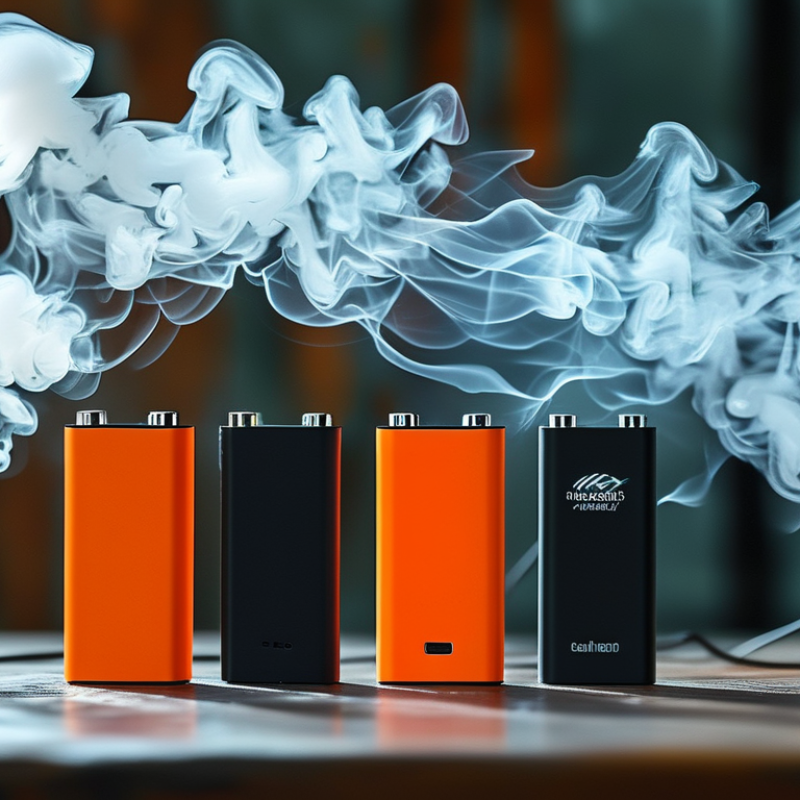
Understanding Vape Overheating Risks During Charging
Vape overheating risks during charging are important to understand for safe usage. According to a report by the National Fire Protection Association (NFPA), electronic devices like vapes can pose fire hazards if they overheat. Overheating can occur due to poor battery management or using incompatible chargers. When the battery heat exceeds recommended levels, it increases the risk of thermal runaway, a situation that can lead to fires or explosions.
To prevent overheating, monitor the charging environment. Avoid placing vapes on soft surfaces during charging, as this can trap heat. The U.S. Consumer Product Safety Commission (CPSC) suggests using chargers recommended by the manufacturer. Incompatible chargers may not regulate power effectively, leading to excessive heat. A study in the Journal of Power Sources highlights that batteries should not exceed temperatures of 60°C during charging.
While many users may not notice warning signs of overheating, it is crucial to remain vigilant. Signs can include a swollen battery or unusual exhaustion. Owners should check their devices frequently. A proactive approach can help minimize risks. Awareness of these factors supports safer charging practices for vapes, ultimately ensuring user safety.
FAQS
: Poor battery management and using incompatible chargers can lead to overheating. Overcharging also generates excessive heat.
Monitor the charging environment. Avoid placing vapes on soft surfaces and use recommended chargers for safety.
Batteries should not exceed 60°C during charging. Regular checks can help maintain this temperature.
Look for a swollen battery or unusual exhaustion. Regular inspection can help you catch these early.
An infrared thermometer can quickly and non-invasively check your device's heat levels.
Charging in hot areas or direct sunlight can increase overheating risks. A flat, hard surface helps dissipate heat better.
Yes, faulty wiring or loose connections can create resistance and lead to overheating during use.
Yes, regularly check for damage. A damaged charger can overheat, posing significant risks.
Frequently check for any irregular behavior. Addressing issues early prevents unforeseen problems.
Leaving your vape charging overnight can overcharge the battery. This increases the risk of overheating.
Conclusion
Vape overheating during charging can pose serious risks, making it crucial for users to understand the common causes behind this issue. Factors such as faulty electric components, poor battery quality, and inadequate charging practices can all contribute to why do vapes get hot while charging. By recognizing these risks, users can take proactive measures to mitigate overheating, ensuring a safer vaping experience.
To prevent overheating, it is essential to follow best practices for charging, such as using high-quality batteries and monitoring the device's temperature while it charges. Employing tools and techniques to keep track of charging conditions can further enhance safety. By prioritizing these practices, vapers can enjoy their devices with greater peace of mind, minimizing the potential for overheating incidents.
