A printed puff count can look precise: 5,000, 10,000, or more. Yet it is an estimate, not a guaranteed number of draws. For readers comparing 2026 top vapes, understanding the test behind the label matters as much as the headline figure. The key question is “what is a puff count and how is it measured,” and the answer depends on device settings and testing conditions.
In general, a puff count records how many simulated draws a device produces before it stops functioning or runs out of usable liquid. Testers may use a machine to draw air through the device at set intervals and durations. Small changes matter. A longer draw, frequent use, airflow setting, battery output, or liquid delivery can change the result. Manufacturers may use different protocols, so two advertised counts are not always directly comparable. A number on a package is not a promise.
Market reports from firms such as Grand View Research describe product categories and market trends; they do not, by themselves, verify an individual device’s puff claim. For public-health context, the CDC’s 2024 National Youth Tobacco Survey estimated that 5.9% of U.S. middle and high school students currently used e-cigarettes. That figure does not measure product performance, but it reinforces why clear, responsible information matters. This guide will explain common counting methods, what product labels can and cannot show, and how to assess claims carefully. Testing details are not always disclosed. That gap deserves attention.
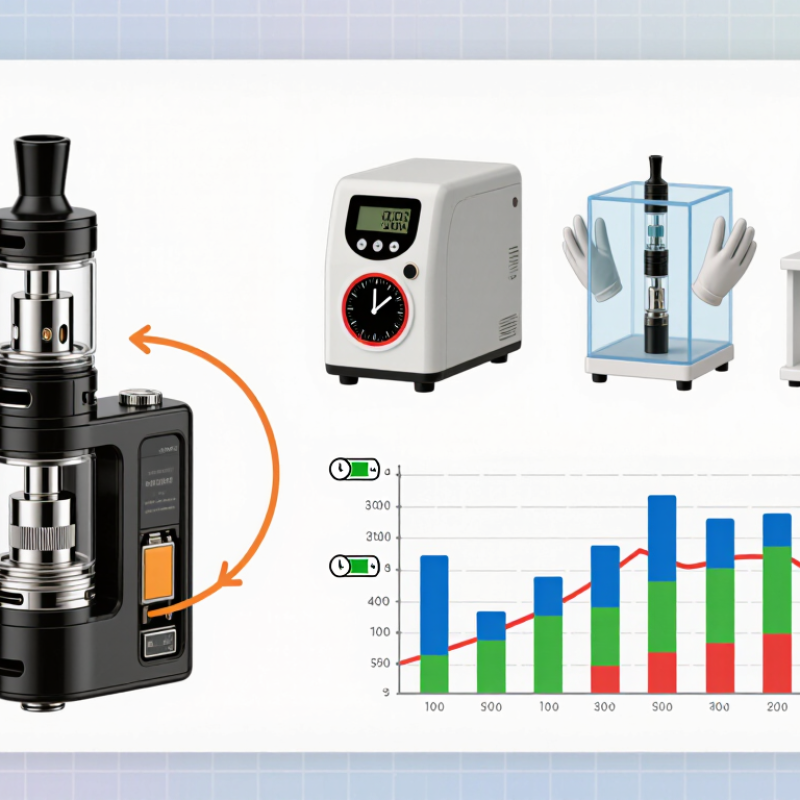
What a Puff Count Means on a Vape
What a Puff Count Means on a Vape
A puff count is an estimate of how many draws a vape may provide before its battery or liquid runs out. It is not a fixed measurement. Some devices count each inhalation electronically, while advertised figures may come from controlled testing. A short, gentle draw is different from a long pull. Real use rarely matches a perfect test.
The number can help with rough comparisons, but it does not tell you exactly how long a device will last. Draw length, airflow, battery condition, and device design all affect use. Two people can get very different results from the same model. Even the counting method may vary. That makes puff counts useful, but imperfect.
Tips: Treat the number as a rough guide, not a guarantee. For a fair comparison, check whether devices were tested under similar conditions. Notice how your own draw length changes the count. Keep track for a few days; your results may surprise you.
What a Puff Count Means—and How It Is Measured
A puff count is an estimate of the number of inhalations a vape can provide under specified test conditions. Puff duration, draw volume, and intervals between puffs can affect the result.
How to read this chart: The bars show a simple calculation using 300 seconds of cumulative draw time divided by puff duration. This is an illustration, not a product rating: real-world puff counts depend on device performance, liquid use, and testing conditions, so figures from different tests may not be directly comparable.
How Manufacturers Estimate and Test Puff Counts
Manufacturers do not count puffs by simply reading a device’s display. In a test lab, a machine draws air through a fully charged device at set intervals. Each draw has a chosen duration, airflow rate, and pause before the next one. Short pulls can produce a much higher count than long, steady draws. That matters.
They repeat the test across several units, often under controlled room conditions. A technician records when vapor output becomes weak or the device stops producing usable aerosol. Some tests also check battery cutoff and liquid depletion separately. The reported figure reflects that setup; it is not a promise for every user.
Real use changes the result. A person may take longer draws, leave less time between them, or use a different power setting. Cold conditions and battery age can also affect output. Even the way “usable puff” is defined can vary between test methods. That makes direct comparisons tricky. A higher number may come from shorter machine-drawn puffs rather than more total aerosol. For a fair comparison, look for disclosed draw duration, airflow, pause time, and endpoint criteria. I would treat any single count as a laboratory reference, not a personal forecast. Small differences in testing can matter.
Which Usage Factors Change the Number of Puffs
Puff count is an estimate, not a fixed promise. Testing equipment draws puffs at set intervals, durations, and volumes. Those settings make comparisons possible, but they cannot copy every person’s habits. Real use varies. That gap matters when reading a stated puff count.
Draw length is one major factor: a brief sip uses less liquid than a long, steady inhale. Frequent, close-together puffs can also affect output because the heating element may stay warm. Airflow and power settings matter too. Higher power can use liquid faster, depending on the device. Small details matter.
Liquid level, coil condition, battery charge, and temperature can shift performance over time. A worn coil may produce weaker vapor, prompting longer draws. That behavior can reduce the practical count. Some counters track activations rather than exact puff volume. Treat the number as a rough guide, not a personal forecast. Even careful estimates miss messy real-life habits.
Why Advertised Puff Counts May Differ in Practice
A puff count is an estimate, not a fixed measure of how long a device will last. The CORESTA Recommended Method No. 81 uses machine puffs of 55 millilitres, lasting three seconds, at 30-second intervals. This creates a repeatable test condition. It does not reproduce every person’s habits. Real use varies.
Advertised counts may rely on estimated liquid use per puff, but testing details are not always stated. A person taking longer draws or puffing more often may use the liquid faster. Battery performance and device settings can also affect the result. The National Academies’ 2018 report on e-cigarettes notes that device characteristics and user behaviour influence aerosol delivery. That gap matters. A machine’s three-second puff may feel quite different from a hurried draw outdoors or repeated use between tasks.
There is a limitation worth admitting: without a disclosed test method, a puff-count figure is difficult to compare fairly. Treat it as a rough guide, not a personal guarantee. CORESTA’s method helps standardize laboratory measurements, but it cannot predict an individual’s exact total. The label gives a number. Your routine supplies the missing variables.
2026 Top Vapes What Is a Puff Count and How Is It Measured? - Why Advertised Puff Counts May Differ in Practice
| Dimension |
What It Means |
How It Affects the Puff Count |
| Advertised puff count |
An estimate of the number of inhalations a device may provide under the conditions used to calculate or test the figure. |
It is not a guaranteed number of identical, real-world puffs. Results depend on the test method and how the device is used. |
| Measurement method |
A device is operated under a defined test protocol, and inhalations are counted until a chosen endpoint, such as depletion of usable e-liquid or loss of function. |
Different protocols or endpoints can produce different counts. There is no single test condition that applies to every product or published estimate. |
| Puff duration and volume |
The length and amount of air drawn during each inhalation. |
Longer or larger draws generally use more e-liquid and battery power per puff, which can reduce the number of puffs available. |
| Puff frequency and pauses |
How often the device is activated and the time between inhalations. |
Use patterns can affect heating and battery demand. A test schedule may not match an individual user’s pattern. |
| Power and airflow settings |
The device’s output level and the amount of air that passes through it, where these can be adjusted. |
Higher power or more open airflow may change consumption per inhalation. The effect varies by device design and settings. |
| E-liquid available to use |
The quantity of liquid that can be vaporized during operation. |
Actual usable quantity and liquid consumption per puff influence how long the device can operate; a printed estimate alone does not show these details. |
| Battery and device endpoint |
The battery’s usable capacity and the point at which the device can no longer operate as intended. |
A device may stop functioning before all liquid is used, or its usable life may be limited by a component other than the liquid supply. |
| Individual use and conditions |
Differences in inhalation style, settings, storage, and operating conditions. |
These factors vary between users and can make actual use shorter or longer than a controlled estimate. |
| How to interpret the figure |
Treat a puff count as an estimate tied to a particular test method, not as a promise of the same number of puffs for every user. Compare figures only when the underlying test conditions and endpoint are disclosed and comparable. |
How to Compare Puff Counts Across Vape Devices
A puff count is an estimate, not a fixed promise. It usually reflects how many draws a device produced under specific test conditions. Those conditions matter: a brief, gentle draw uses less liquid than a long, deep one. The number on a package can look precise. Real use is less tidy.
To compare devices, check whether their figures come from similar draw lengths and intervals. A count based on short laboratory puffs may not match someone’s slower, longer draws. Look at liquid capacity and battery performance too; a high advertised count means little if the device cannot deliver consistent output. Read the measurement notes, when available. They are easy to overlook.
A practical comparison means tracking the same details across devices: stated puff count, test method, liquid capacity, and whether output changes as the battery runs down. Avoid treating one number as proof of longer-lasting performance. If you keep notes, record your own draw pattern over several days, without assuming it represents everyone’s experience. Even then, the result is only an estimate. Puff length varies, and that small difference can add up.
Conclusion
A puff count is an estimate of how many inhalations a vape device may provide before its e-liquid or battery runs out. To explain what is a puff count and how is it measured, manufacturers typically use testing devices that take repeated draws under set conditions, recording the total before the device can no longer produce vapor. These tests provide a consistent reference point, but their results depend on the draw length, airflow, power settings, and other testing choices.
Actual use can produce a different total. Longer or more frequent draws, higher power, and device design may reduce the number of puffs, while shorter, gentler draws may increase it. Differences in battery performance and e-liquid use also matter. When comparing devices, treat advertised counts as estimates rather than guarantees, and check whether the testing conditions are comparable. Considering capacity, battery life, and your typical draw pattern offers a more useful comparison than relying on puff count alone.
 Lush Vape
