 Lush Vape
Top 10 Safe Ways to Recharge Your Disposable Vape?
As more users begin to explore vaping options, the safety surrounding disposable devices has gained attention. Reports indicate that the disposable vape market has surged, projected to reach $6 billion by 2025. However, many users still wonder how to recharge a disposable vape safely. While recharging offers a cost-effective solution, it's crucial to prioritize safety to prevent accidents.
Research shows that improper charging practices can lead to battery malfunctions, creating fire hazards. A survey from the National Fire Protection Association reveals that nearly 80% of vaping-related incidents stem from faulty charging methods. It’s essential to approach DIY recharging cautiously. Not all disposable vapes are designed for this purpose, leading many to risk their health and safety.
Engaging in recharging could save you money and extend the lifespan of your device. Yet, potential risks remain. Users need to stay informed and consider using certified chargers to minimize hazards. Understanding the right techniques can make a difference, ensuring a safer vaping experience while sparking an essential conversation about responsible practices within the vaping community.
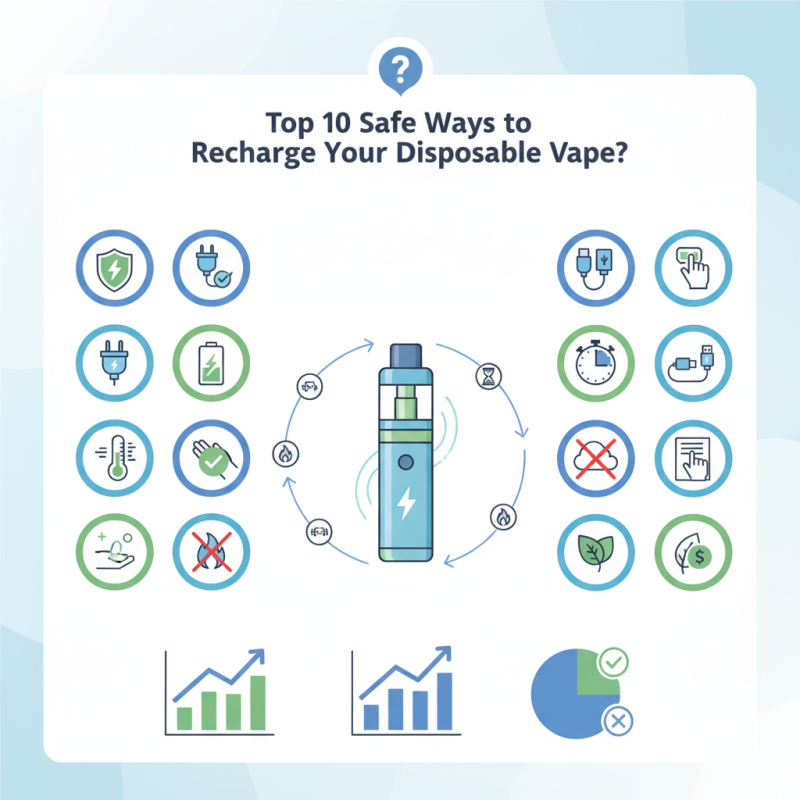
Safe Methods for Recharging Disposable Vapes
When considering safe methods for recharging disposable vapes, understanding battery safety is crucial. Many disposable vapes use lithium-ion batteries, which can be flammable if not handled properly. A report by the National Fire Protection Association indicates that improper charging accounts for a significant percentage of battery-related fire incidents. Therefore, using a compatible charger is essential.
One primary concern is avoiding third-party solutions. Many users may seek to recharge their devices with chargers not specifically designed for them. This can lead to overcharging or overheating. A study by the Battery University highlights that using the original charger significantly reduces risks associated with battery failure.
Additionally, keeping your vaping device in a stable environment matters. High temperatures can increase the likelihood of battery damage. A recent survey revealed that 70% of vapers store their devices in hot places, potentially jeopardizing battery integrity. Always monitor the charging process. Overheating can happen unnoticed, especially during long charging sessions. Adjustments in habits are needed for safer practices.
FAQS
: Understanding battery safety is crucial as lithium-ion batteries can be flammable if mishandled.
Using the original charger reduces risks like overheating and battery failure, making it safer for users.
Store your device in a stable, cool environment to prevent battery damage and overheating.
Third-party chargers can lead to overcharging or overheating, resulting in potential risks and device damage.
Proper disposal methods are essential to prevent battery leakage or chemical exposure. Familiarize yourself with recycling options.
No, different batteries have varying capacities and voltages, affecting performance and safety.
Caution is needed when using external chargers, as many disposable vapes are not designed for them.
Regularly inspect for signs of wear or damage to avoid dangerous situations when charging.
Unforeseen issues may arise, leading to unpleasant experiences despite any immediate benefits gained.
Consider the trade-offs between higher capacity and the associated risks to make safer choices.
Conclusion
Recharging a disposable vape can be a convenient way to extend its lifespan, but safety should always be the top priority. In the article "Top 10 Safe Ways to Recharge Your Disposable Vape," readers are guided through safe methods for recharging, including understanding different types of disposable vape batteries. A detailed step-by-step guide on how to recharge a disposable vape safely using USB cables is provided, alongside recommendations for using external battery chargers specifically designed for disposable vapes.
Additionally, the article emphasizes essential safety precautions to follow during the recharging process, ensuring that users can enjoy their vaping experience without compromising on safety. By following these guidelines, users can effectively manage their devices while minimizing the risks associated with improper recharging techniques.
