Top Tips for Traveling With Vapes on a Plane

Time:2026-09-29 Author:Mason
0%

Traveling with a vape is less about packing a familiar device and more about understanding batteries, cabin rules, and airline procedures. The FAA’s PackSafe guidance and IATA’s Dangerous Goods Regulations explain why electronic smoking devices and spare lithium batteries require careful handling. Their practical message is simple: check current guidance before departure, because airline policies and local requirements can differ.

Small details matter. A device tucked into a checked suitcase may be treated differently from one kept in the cabin. A spare battery needs protection from damage and accidental contact with metal objects. And a charging cable does not mean charging is permitted onboard. These rules help reduce fire risks associated with lithium batteries, a concern documented in aviation safety reporting by authorities such as the FAA. Always confirm the latest instructions with your airline and airport before traveling.

This guide explains how to travel with vapes on a plane, including where to pack devices, how to protect batteries, and what to check before reaching the gate. It also covers common planning mistakes, such as assuming one airline’s policy applies everywhere. That assumption is easy to make. It is not always right. Keep the device accessible for inspection, follow crew instructions, and avoid using or charging it during the flight unless the airline explicitly permits it. Even a well-packed device cannot replace checking current, official guidance.
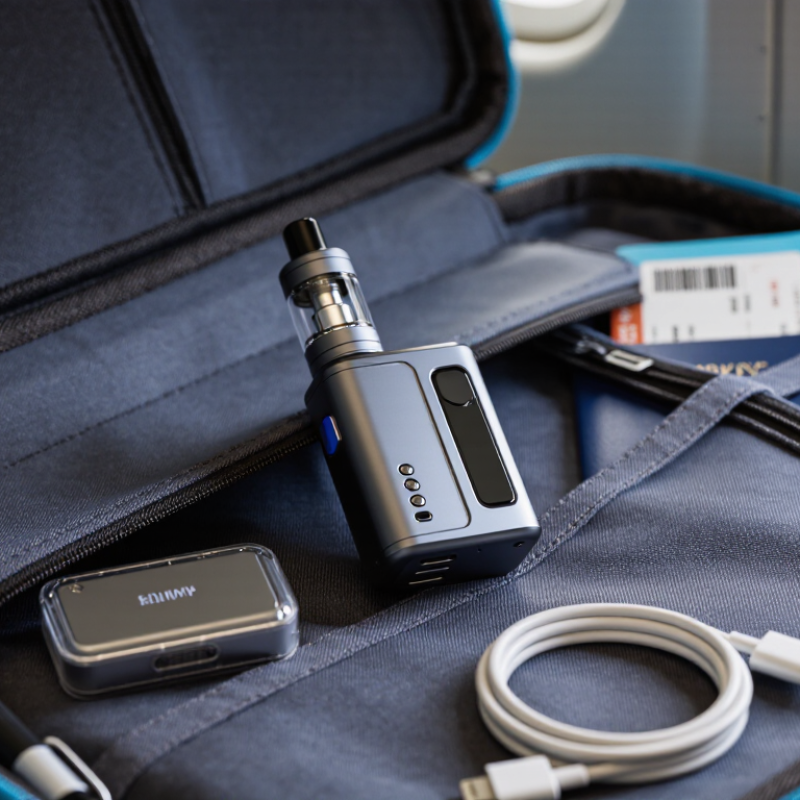
Top Tips for Traveling With Vapes on a Plane

Check Airline and Destination Rules for Traveling With Vapes

Before packing, check both the airline’s current policy and the destination’s official rules. Policies can differ, even between connecting flights. IATA’s 2024 Dangerous Goods Regulations require electronic smoking devices to remain in carry-on baggage, not checked luggage. They must be protected from accidental activation. Some destinations restrict entry or possession entirely. A legal purchase at home may still create problems abroad.

The FAA’s PackSafe incident records contain hundreds of reports involving lithium batteries, smoke, fire, or extreme heat. That data explains the strict cabin requirements. Keep the device switched off and separated from loose metal objects. Do not use or charge it during the flight. Ask the airline about spare batteries, because terminals may need individual protection. Small details matter.

Check the airline website, airport guidance, and destination government portal within 24 hours of departure. Save screenshots offline. Rules may change after booking. My checklist is deliberately repetitive, though it feels excessive. Staff instructions at the airport always take priority. If any rule remains unclear, leave the device at home rather than guessing.

Prepare Vape Devices and Batteries Before Departure

Before departure, inspect every vape device for cracks, loose parts, or signs of overheating. A damaged battery should not travel. Turn the device off completely, and prevent accidental activation with a lock feature or protective case. Remove detachable batteries when the device design allows it. Place each spare battery in an individual case, not beside coins, keys, or other metal objects. Even a brief contact can create dangerous heat.

Keep vape devices and spare batteries in your carry-on luggage. Do not pack them in checked baggage. Many airlines also require tanks or pods to be empty, sealed, or stored separately. Pressure changes may cause liquid to leak, so use a small leak-resistant bag and keep it upright. Check the airline’s current policy before leaving home, because rules can differ between flights and destinations. Security staff may ask you to remove the devices for inspection.

Do not charge or use the device during the flight. A compact cable may seem harmless, but charging can increase heat inside a crowded cabin. Check the battery contacts again at the airport. This step feels excessive. It is not. A checklist can still miss one loose battery or an unlocked button, especially when packing late. Keep the original safety instructions available if questions arise.

Pack Vapes and E-Liquids for Airport Security

Top Tips for Traveling With Vapes on a Plane

Pack vapes and e-liquids in your carry-on bag, never in checked luggage. Aviation safety guidance generally requires vaping devices and spare batteries to remain in the cabin. Turn each device off completely. Protect loose batteries with individual cases or nonconductive covers. A device switching on inside your bag can create a serious safety problem.

Keep e-liquid containers within the airport’s current liquid limit. Place them in a clear, resealable liquids bag where required. Leave bottles easy to remove during screening. Do not hide devices or liquids beneath clothing. Clear packing reduces delays and gives security staff a quick view. Check the departure airport, destination airport, and airline rules before leaving, because requirements can differ. Rules can change.

I still recheck the liquid limit the night before travel. That small step prevents avoidable surprises. Avoid carrying damaged batteries, leaking bottles, or poorly sealed containers. Wipe each bottle before packing. A sticky bag attracts attention and creates a mess. If security staff ask about your equipment, answer clearly and follow their instructions. Some airports may apply stricter controls, even when general aviation guidance appears permissive.

Carry and Protect Vape Devices in the Cabin

Traveling with a vape requires careful cabin handling, not casual packing. The International Air Transport Association’s Dangerous Goods Regulations state that electronic smoking devices must remain in carry-on baggage. They should be protected from damage and accidental activation. Never place them inside checked luggage.

Keep the device in a small protective case. Separate loose batteries from keys, coins, and metal objects. A damaged battery can become dangerously hot. Use the original battery caps, or cover exposed terminals with insulating tape. Empty the tank before departure. Pressure changes may push liquid through the mouthpiece and stain your bag. A sealed plastic pouch adds another layer of protection.

Keep it visible.

The Federal Aviation Administration’s PackSafe guidance also requires these devices to stay with the passenger, rather than inside checked baggage. Cabin crews may require immediate action if smoke or heat appears. Do not use or charge the device during the flight. IATA’s 2024 passenger guidance reinforces that battery-powered devices need protection against accidental activation and short circuits.

I check the case twice, even on short flights. It feels excessive, but rushed packing causes avoidable mistakes. Airline procedures can differ, and destination rules may be stricter. Confirm the current requirements before leaving home. Also, inspect the device for cracks, leaking liquid, or swelling. If anything looks abnormal, do not carry it. My own weak point is remembering small accessories; a missing cap can expose a battery terminal. A checklist helps, though I still occasionally rewrite it.

Cabin carry-on, not checked baggage. Keep vape devices and spare lithium batteries in your carry-on, protect them from damage or accidental activation, and do not use or charge them during the flight. Airline and destination rules may vary, so check before traveling.

Follow In-Flight Rules for Vape Use and Storage

Top Tips for Traveling With Vapes on a Plane

Air travel rules for vapes are strict and can vary by airline or airport. Check official guidance before leaving home. I once assumed airport rules were identical everywhere. That was careless. Keep the device in your carry-on bag, never in checked luggage. Turn it off completely. Protect spare batteries from keys, coins, and other metal items. A small case can prevent accidental activation or damage.

Tips: Do not use or charge a vape during the flight. Store it where cabin staff can inspect it easily. Keep e-liquid containers sealed and within the airport’s current liquid allowance. Pack only the amount you genuinely need. Avoid loose bottles in an overfilled bag. Ask airport staff if a rule seems unclear.

Before boarding, review the destination’s official requirements. Some places restrict possession, import, or use of vaping devices. Airline instructions may also change after booking. Save a screenshot of the latest guidance, but rely on official sources rather than online comments. If your device becomes warm, damaged, or swollen, do not pack it. Tell trained airline staff immediately. Small details matter.

Top Tips for Traveling With Vapes on a Plane - Follow In-Flight Rules for Vape Use and Storage
Travel Topic Rule or Practical Guidance Before You Fly
Vape devices For flights departing from or within the United States, electronic smoking devices must be carried in the cabin, not packed in checked baggage. Pack the device in your carry-on. If your carry-on is taken at the gate for loading in the aircraft hold, remove the device and keep it with you in the cabin.
Spare batteries Spare lithium batteries must be carried in the cabin and protected against short circuits. They are not permitted in checked baggage. Keep batteries in their original packaging or separate protective cases. Do not carry loose batteries where metal objects could touch the terminals.
Accidental activation Vape devices must be protected from accidental activation while being transported. Switch the device off, use its lock function if available, and store it in a case that prevents buttons from being pressed.
Using or charging onboard Vaping and charging vape devices or batteries are prohibited on U.S. aircraft. Do not use or charge the device during the flight, including in the lavatory. Follow crew instructions at all times.
Vape liquid in carry-on baggage On U.S. flights, liquids in carry-on baggage generally must be in containers of 3.4 fl oz (100 ml) or less and fit in one quart-size bag per passenger. Check the liquid container size and place it with your other travel-size liquids. Larger containers should not be packed in carry-on baggage, even if partly empty.
Leak prevention Changes in cabin pressure can contribute to leaks from liquid containers or tanks. Seal liquid bottles securely and place them in a leak-resistant bag. Follow the device manufacturer’s safe packing instructions for tanks and pods.
Airline and destination rules Airlines and countries may impose additional restrictions on vape devices, batteries, or e-liquids. Check your airline’s current baggage rules and the laws at your destination and any transit points before departure.

FAQS

Can I pack a vape in checked luggage?

No. Keep the device in your carry-on bag. Checked luggage is not suitable for electronic smoking devices.

How should I protect the device during travel?

Turn it off completely. Use a small protective case to prevent damage and accidental activation.

Where should I keep spare batteries?

Store each battery separately. Cover exposed terminals and keep batteries away from keys, coins, and other metal objects.

Can I use or charge the device during a flight?

No. Do not use or charge it onboard. Follow cabin crew instructions immediately.

Should I empty the liquid tank before flying?

Yes. Pressure changes can force liquid through the mouthpiece. A sealed plastic pouch can protect your bag.

What if the device looks damaged?

Do not pack it if it is cracked, leaking, swollen, or unusually warm. Tell trained airline staff about the problem.

Are destination rules always the same as airline rules?

No. A destination may restrict possession, entry, or use. Check official government guidance before departure.

When should I check the travel rules?

Review airline, airport, and destination guidance within 24 hours of departure. Rules can change after booking.

What should I do if the rules remain unclear?

Ask airport or airline staff. If uncertainty continues, leave the device at home. Guessing is not a good plan.

Conclusion

Traveling with a vape is easier when you plan ahead. Before departure, check your airline’s current guidance and the rules that apply at your destination, since requirements for devices, batteries, and e-liquids can vary. Prepare your device by switching it off, protecting it from accidental activation, and following the manufacturer’s advice for battery care. If you are wondering how to travel with vapes on a plane, confirm how your airline expects devices and spare batteries to be carried, and pack e-liquids according to airport liquid-screening instructions.

Keep your vape and batteries accessible in your cabin baggage rather than packing them carelessly, and protect them from impact, heat, and accidental contact with metal objects. Store liquids in secure, leak-resistant containers and place them where they can be presented easily at security. During the flight, follow crew instructions, do not use or charge the device, and keep it safely stowed. A few simple checks before leaving home can help make the journey smoother and reduce the risk of damage or delays.

Mason

Mason

Mason is a seasoned marketing professional with a deep expertise in the company's offerings and a passion for driving brand awareness. With a strong background in digital marketing strategies, he has an innate ability to connect with diverse audiences and effectively communicate product benefits.......