 Lush Vape
China Top 10 Vape Juice Ingredients You Should Know?
Understanding what are the ingredients in vape juice is crucial in today’s vaping landscape. With the global vape market projected to reach over $40 billion by 2025, knowing what goes into these products is essential for consumers. Reports indicate that many vapes contain flavorings, propylene glycol, and vegetable glycerin among other components.
A recent industry analysis highlights that about 70% of vape juices use common flavoring agents. These ingredients can influence not only the taste but also the overall vaping experience. However, the safety of some flavoring agents remains a topic of ongoing debate. It’s vital to differentiate between safe and harmful substances in vape juice.
While many manufacturers claim their products are safe, independent research often reveals potential risks. Some studies suggest that certain ingredients could have health implications. Consumers should approach vape products with caution and stay informed. This knowledge empowers users to make better choices in an ever-evolving market.
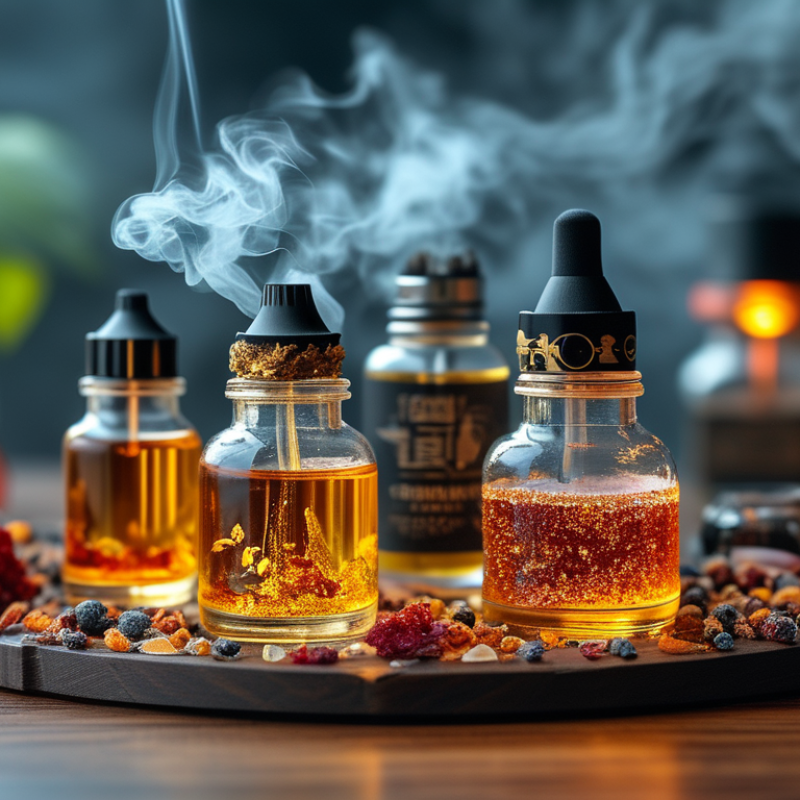
Top 10 Vape Juice Ingredients Used in China: An Overview
Vape juice in China has become increasingly popular, with a notable blend of ingredients. Understanding these is vital for both consumers and manufacturers. According to industry reports, there are ten essential components dominating the market. These ingredients significantly influence flavor, vapor production, and overall experience.
Propylene glycol (PG) and vegetable glycerin (VG) are fundamental bases. PG offers a throat hit, while VG creates larger vapor clouds. Flavors, both artificial and natural, add diversity. Data indicates that over 70% of vapers prefer fruity or dessert-like flavors. Nicotine comes in various strengths, catering to different preferences. Additionally, additives like menthol enhance the cooling sensation, appealing to many users.
Regulation is a growing concern. Some ingredients lack comprehensive studies on their long-term effects. While many enjoy the experience, awareness of potential risks is crucial. Not all manufacturers maintain strict quality control, leading to inconsistent products. Users should be cautious and seek reliable sources. Understanding these ingredients fosters informed choices in a rapidly evolving market.
China Top 10 Vape Juice Ingredients You Should Know
| Ingredient | Purpose | Common Usage |
|---|---|---|
| Propylene Glycol (PG) | Base Liquid | Used in 80% of vape juices |
| Vegetable Glycerin (VG) | Base Liquid | Provides vapor thickness |
| Nicotine | Addictive Substance | Used for throat hit sensation |
| Flavorings | Taste Enhancement | Variety of fruit, dessert, and tobacco flavors |
| Sweeteners | Sweetness Addition | Enhances flavor profile |
| Citric Acid | pH Adjuster | Balances sweetness and flavor |
| Menthol | Cooling Agent | Provides a cooling sensation |
| Distilled Water | Dilution Agent | Reduces viscosity for easier vaping |
| Caffeine | Stimulant | Adds a unique flavor profile |
| Natural Extracts | Flavor Component | Extracts from plants, fruits, and more |
FAQS
: Flavoring agents shape the user experience, accounting for around 30% of vape juice composition.
Common flavors include fruit, candy, and mint, with fruity profiles like strawberry and mango being particularly favored.
Mint and menthol offer a refreshing experience for users, attracting a distinct demographic seeking coolness.
Excess sweetness can overwhelm the taste, making vape juice unenjoyable for many consumers.
There’s growing interest in natural extracts and organic compounds, as consumers prefer cleaner alternatives.
Vaping products have diverse nicotine concentrations, with beginners usually opting for lower levels for safety.
Many users remain unaware of risks tied to varying nicotine levels, which can lead to potential overexposure.
Some products may falsely claim to be nicotine-free; testing is crucial to verify these assertions.
Educating customers about nicotine strengths and their effects can significantly enhance user safety and satisfaction.
Robust regulations and informed choices are essential for ensuring user awareness and safety in the evolving market.
Conclusion
The article "China Top 10 Vape Juice Ingredients You Should Know" provides a comprehensive overview of the primary components found in vape juices manufactured in China. It highlights the essential elements that make up e-liquids, addressing the question of what are the ingredients in vape juice. Key ingredients discussed include Propylene Glycol and Vegetable Glycerin, both of which play crucial roles in enhancing flavor and providing a satisfying vaping experience while ensuring safety for users.
Additionally, the article explores the various flavoring agents used in vape juices, identifying popular choices and current industry trends. It also delves into nicotine levels, discussing the regulatory framework surrounding nicotine content in Chinese vape products and offering market insights. Overall, this overview presents valuable information for vapers looking to understand the composition of their e-liquids and the factors influencing quality and safety in the vaping industry.
