 Lush Vape
Why Does Vaping Make Me Cough 5 Tips to Reduce Irritation?
Vaping has become a popular alternative to traditional smoking. However, many users wonder, "why does vaping make me cough so much?" This common issue often arises due to various factors, including the ingredients used in vape liquids and the way they are inhaled.
Many vape juices contain propylene glycol and vegetable glycerin, which can irritate the throat and lungs. Each person's body reacts differently to these substances. For some, the throat may feel scratchy or inflamed after inhaling. The absence of combustion products does not guarantee safety. Additionally, beginners may inhale too deeply or too frequently, worsening irritation.
Understanding why you cough can help improve your vaping experience. It's important to recognize how your body responds to different flavors and devices. Individual experiences vary widely, and what works for one person might not work for another. Experimenting with different equipment and settings may provide relief. This journey is one of learning and adjustment, as you find what suits your needs best.
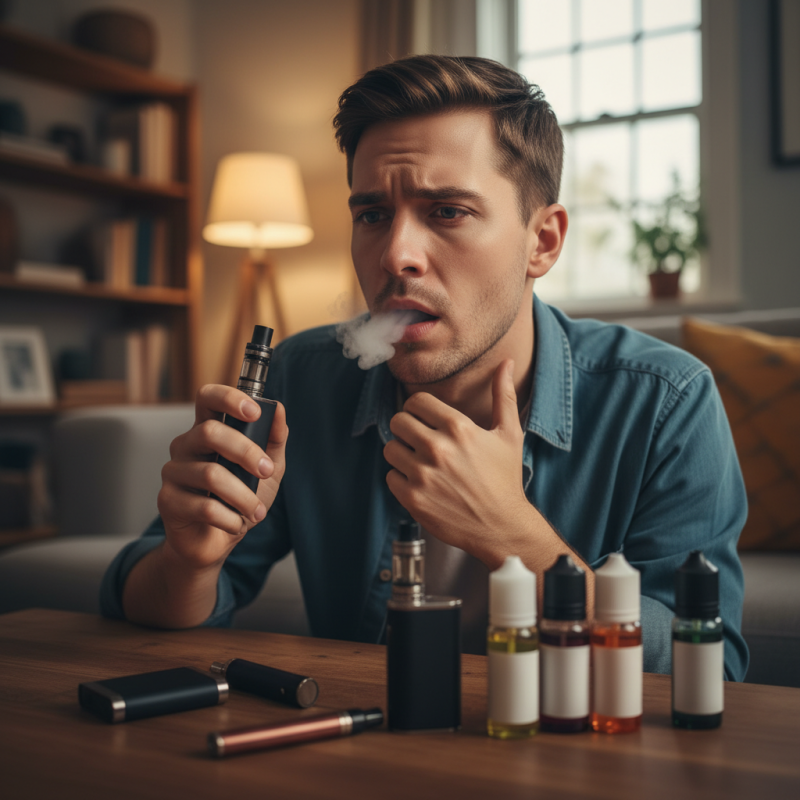
Understanding the Causes of Coughing When Vaping
Coughing while vaping can be quite common. It often stems from the throat and airway irritation caused by inhaling vapor. Propylene glycol and vegetable glycerin, common in e-liquids, may lead to dryness and discomfort. According to a study by the Journal of Allergy and Clinical Immunology, 30% of vapers reported respiratory irritation. This suggests that many experience similar issues.
The temperature of the vapor can also play a role. Higher temperatures can create harsher vapor, triggering cough responses. Research indicates that maintaining moderate temperatures may help reduce throat irritation. Inhaling deeply or rapidly, especially when the device is new, can also contribute to coughing. Remember, even the best-designed vape devices can cause discomfort if not used properly.
In some cases, users may not consider allergies or sensitivities. Certain flavors can trigger coughing. The American Lung Association states that flavoring agents can cause airway irritation in 20% of users. This highlights the importance of monitoring reactions to different e-liquids. Responding to these insights with appropriate adjustments can lead to a more comfortable vaping experience.
FAQS
: Coughing can be caused by irritants in e-liquids, such as propylene glycol and vegetable glycerin, which may dry your throat.
Strong flavored e-liquids, like menthol and cinnamon, can irritate the throat and trigger a cough reflex.
Some additives, like diacetyl, can harm your lungs over time, even sweeteners might leave a sticky residue.
Choose e-liquids with fewer irritants and consider lowering nicotine levels to help reduce throat irritation.
Inhale slowly and steadily to cool the vapor. This technique can help minimize throat irritation and coughing.
Staying hydrated keeps your throat moist, which can reduce irritation and discomfort while vaping.
Look for e-liquids with lower nicotine concentrations and fewer additives. Natural ingredients are usually less irritating.
Higher VG content creates smoother vapor and may feel less harsh on your throat during vaping.
Every individual reacts differently. Testing various VG and PG ratios helps identify what works best for your body.
Reflect on your experience and be patient. Small changes can lead to a more enjoyable vaping experience.
Conclusion
Coughing while vaping is a common issue many users face, prompting the question, "why does vaping make me cough so much?" Understanding the causes of this discomfort can be vital for improving the vaping experience. Common irritants found in e-liquids, such as propylene glycol and certain flavorings, can lead to throat irritation and coughing. Additionally, the technique used while vaping, including inhalation depth and frequency, can exacerbate the problem.
To mitigate irritation, users can adopt strategies like choosing less harsh e-liquids, adjusting their vaping technique, and taking care to maintain healthy lung function. Keeping the device clean and ensuring proper airflow can also help reduce coughing. By understanding the factors contributing to irritation and implementing these tips, vapers can enjoy their experience more comfortably.
