In recent years, vaping has surged in popularity. Many users find themselves asking, "why does vaping make me cough so much?" This question is worth exploring, especially as more people turn to e-cigarettes as an alternative to traditional smoking. Coughing is a common side effect for many, but the reasons behind it can vary greatly.
Vaping often involves inhaling vaporized substances, which can irritate the throat and lungs. The ingredients in e-liquids, like nicotine and flavorings, can also be harsh. Some users may notice this irritation immediately, leading to coughing fits. Not everyone experiences this, and understanding personal sensitivity is essential.
Moreover, the device used for vaping can impact the experience. A high wattage can produce hotter vapor, which may cause discomfort. Other users may not have the right technique or inhale too deeply, worsening the cough reflex. Overall, examining these factors can provide insights into why many ask, "why does vaping make me cough so much?" Understanding these details may help users find a more comfortable experience.
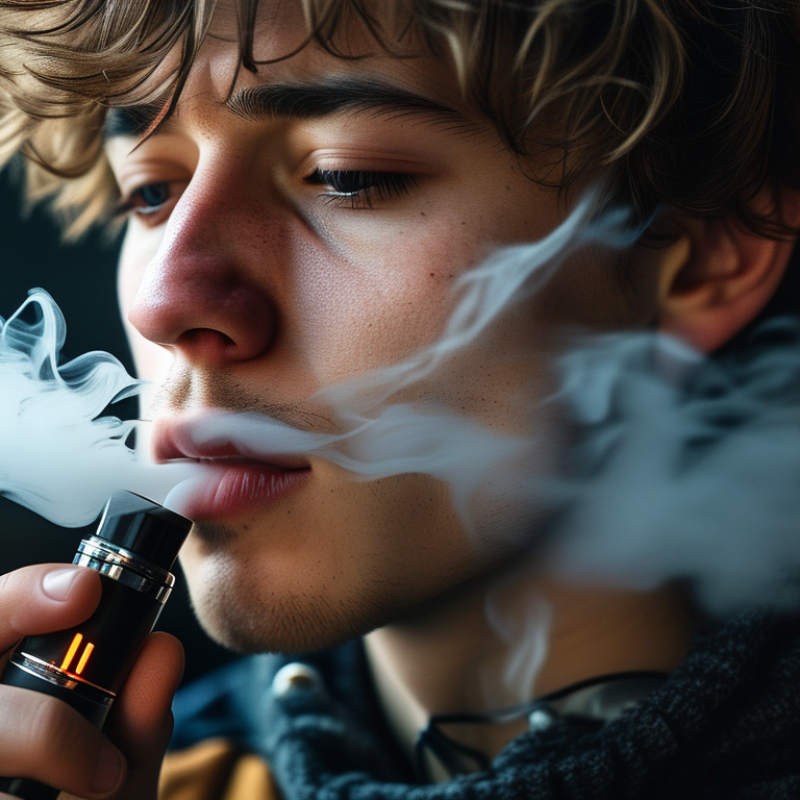
Coughing while vaping is a common issue for many users in 2026. Understanding the causes can help. Vaping involves inhaling vapor created by heating e-liquids. This process can irritate the throat and lungs, especially if the device temperature is too high. According to a recent report from the Journal of Aerosol Science, nearly 70% of vapers report coughing as a frequent side effect.
One of the main reasons vaping causes coughing is the presence of propylene glycol and vegetable glycerin. These are common base ingredients in e-liquids. They can lead to dryness in the throat and respiratory tract. A study published in Tobacco Control indicated that around 50% of respondents experienced irritation from these substances. People who are new to vaping often cough more frequently, as their bodies are not yet accustomed to inhaling vaporized substances.
It’s essential to consider the nicotine content as well. Higher nicotine levels can exaggerate throat irritation. A survey conducted by the American Vaping Association revealed that users who opted for lower nicotine levels reported significantly less coughing. It’s clear that factors like e-liquid composition and device settings play a crucial role in how users experience vaping. Making informed choices may help users enjoy vaping with fewer discomforts.
The impact of vapor inhalation on respiratory health is becoming increasingly evident in 2026. Recent studies show that vaping can irritate the airways and lead to coughing. In fact, a report from the National Institutes of Health (NIH) indicates that nearly 30% of regular vapers experience chronic cough. This statistic highlights the respiratory risks associated with inhaling vaporized substances.
A comprehensive analysis published in the Journal of Respiratory Medicine underscores the connection between vapor inhalation and airway inflammation. Participants who vaped regularly reported significant respiratory symptoms, including shortness of breath and wheezing. Furthermore, lung function decline was noted in over 25% of users in this study, raising concerns about the long-term effects of vaping.
Coughing after vaping can be a common issue, especially with nicotine present in e-liquids. Nicotine affects the respiratory system in various ways. It irritates the airways. This irritation can trigger a cough reflex, which is your body’s natural response to clear the throat and lungs. Over time, high nicotine levels can lead to increased coughing, even for experienced vapers.
Some users report that certain flavors or higher nicotine concentrations worsen their coughing. Flavors can produce different reactions in the throat. For example, menthol might initially feel soothing, but it can create irritation too. The throat's sensitivity varies for each individual, making it hard to pinpoint the exact cause. The experience is often subjective and may require careful experimentation.
Reflecting on vaping habits can provide clarity. Are you inhaling too deeply? Are you using devices that push too much vapor? It’s crucial to listen to your body and adjust accordingly. Coughing is sometimes a sign to reconsider your choices. Being aware of how nicotine impacts your respiratory health is essential for a positive vaping experience.
This chart illustrates the relationship between nicotine concentration in e-liquids and the frequency of coughing reported by users. Higher nicotine levels have been shown to correlate with an increased cough reflex in users.
Vaping can often lead to coughing, which surprises many new users. Understanding the common irritants in vape products helps shed light on this issue. One primary culprit is the propylene glycol found in e-liquids. This ingredient can cause throat irritation for some users, making them cough. Additionally, vegetable glycerin may be too thick for certain lungs to handle.
Flavored e-liquids add complexity to the mix. Many flavors contain chemicals that can irritate the respiratory system. For instance, while fruity or minty flavors can be enjoyable, their artificial components may provoke an unwanted cough reflex. Users may not realize that these ingredients can affect their experience, leading to discomfort.
Apart from ingredients, vaping technique plays a significant role. People who inhale too deeply or rapidly may also trigger coughing. Experimenting with inhalation patterns can be beneficial. It’s important to listen to your body and adjust accordingly. Some users need more time to adapt. Coughing might signal the need for a break or a change in product choice.
Vaping has gained immense popularity, but many users experience coughing. This can be due to various factors, including the ingredients in vape juices. According to a 2023 industry report, around 30% of vapers report a persistent cough related to their habit. Understanding what causes this discomfort is essential for improvement.
To reduce coughing while vaping, consider your device and fluid choice. Higher temperatures can irritate your throat, leading to more coughing. A study in the Journal of Tobacco Research found that lower wattages reduced throat irritation significantly. Switching to a vape with adjustable settings can help manage temperature better.
Another vital aspect is the nicotine content of e-liquids. High levels of nicotine can cause throat contractions, triggering cough reflexes. Reducing nicotine intake might alleviate some of these symptoms. Moreover, users should stay hydrated. Adequate moisture can soothe throat irritation caused by vaping. Finding the right balance may take time, so don't rush the process. Listening to your body can create a more enjoyable vaping experience.
: Coughing while vaping is common. It often occurs due to throat and lung irritation.
Propylene glycol and vegetable glycerin are common irritants. They can dry out your throat.
Yes, higher nicotine levels often lead to increased throat irritation. Lower nicotine may reduce coughing.
About 30% of regular vapers report a chronic cough. It's a significant issue many overlook.
Yes, studies show that inhaling vapor can irritate airways. This may lead to long-term respiratory issues.
Consider using lower wattages on your device. Staying hydrated can also help soothe your throat.
Yes, new vapers often cough more. Their bodies need time to adjust to vapor inhalation.
Frequent coughing can be a warning sign. Ignoring it may lead to further respiratory issues.
Reducing nicotine and managing temperature settings can help. Adjusting your habits is important.
No, coughing should not be ignored. It may signal respiratory distress that needs attention.
The article "Why Does Vaping Make Me Cough So Much in 2026?" explores the various causes behind coughing when vaping. It provides an overview of how the inhalation of vapor affects respiratory health, with particular emphasis on the role of nicotine in triggering the cough reflex. Additionally, the article highlights common irritants found in vape products that can provoke coughing responses in users.
To address the issue of why does vaping make me cough so much, the article also offers practical tips for reducing this discomfort while vaping in 2026. By understanding the irritants and factors contributing to coughing, vapers can make informed choices to enhance their experience and mitigate respiratory irritation.

Lush Vape