Lush Vape
Primary Industrial & Packaging Solutions
Advanced equipment, customized mylar bags, and hardware engineered for precise formulation delivery.


The Science & Engineering of Transdermal Nicotine Delivery Systems (TNDS)
Transdermal Nicotine Delivery Systems (TNDS) represent a major advancement in pharmaceutical engineering and transdermal drug delivery systems (TDDS). Designed to assist in smoking cessation programs, these multi-layered patches provide a controlled, steady release of nicotine through the skin barrier, bypassing first-pass liver metabolism and maintaining stable blood plasma levels. Unlike inhalation routes, which cause rapid spikes in nicotine levels, transdermal delivery offers a gradual, sustained absorption pattern. This approach minimizes side effects and reduces craving intensity.
Developing highly effective transdermal patches requires deep expertise in polymer science, skin permeation kinetics, and pharmaceutical-grade formulation design. The stratum corneum, the skin's outermost layer, presents a strong natural barrier to exogenous molecules. To achieve consistent delivery, manufacturers must optimize the patch's thermodynamic properties, select effective chemical permeation enhancers, and utilize pressure-sensitive adhesives that maintain skin contact for 16 to 24 hours without irritation.
Key Engineering Focus: Skin Permeation Kinetics
Controlled delivery relies on Fick’s First Law of Diffusion, where the flux (J) of nicotine through the skin depends on the concentration gradient, diffusion coefficient within the skin matrix, and the partition coefficient between the patch formulation and the stratum corneum. In matrix-type patches, nicotine is dissolved within an adhesive polymer, serving as both a drug reservoir and skin contact layer. In reservoir systems, a rate-limiting membrane controls the drug release rate, ensuring stable dosing over a specified period.
B2B Procurement Demands: Addressing the Pain Points of Global Brands
For global pharmaceutical companies, smoking cessation brands, and health-tech enterprises, choosing a reliable manufacturing partner is critical. Nicotine is highly volatile and susceptible to oxidation when exposed to heat and oxygen during production. This makes formulation integrity a primary concern. The key priorities for global procurement teams are:
Dose Customization
Patches must be manufactured in various dosage strengths—typically 21mg, 14mg, and 7mg for step-down therapy—with consistent delivery kinetics across different body types and skin conditions.
Adhesive Safety
Medical-grade pressure-sensitive adhesives (PSA) must be non-cytotoxic, hypoallergenic, and leave no residue upon removal, maintaining reliable adhesion even during exercise or bathing.
Regulatory Compliance
Production facilities must adhere to strict international standards. Raw materials must comply with USP/EP pharmacopeias, and the finished products must meet FDA, EMA, and TPD regulations.
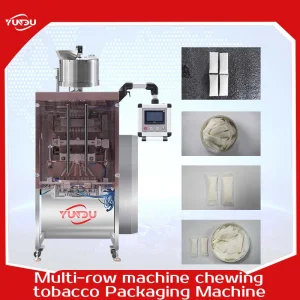
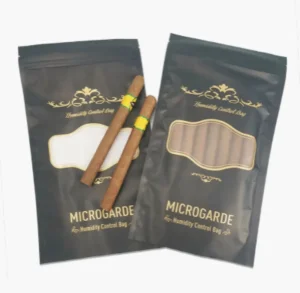
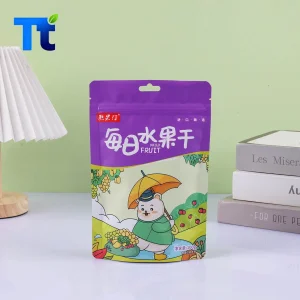
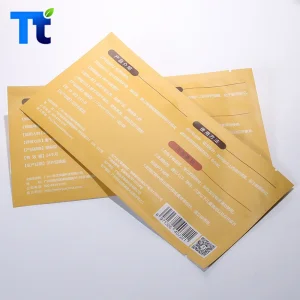
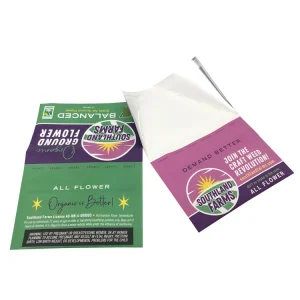
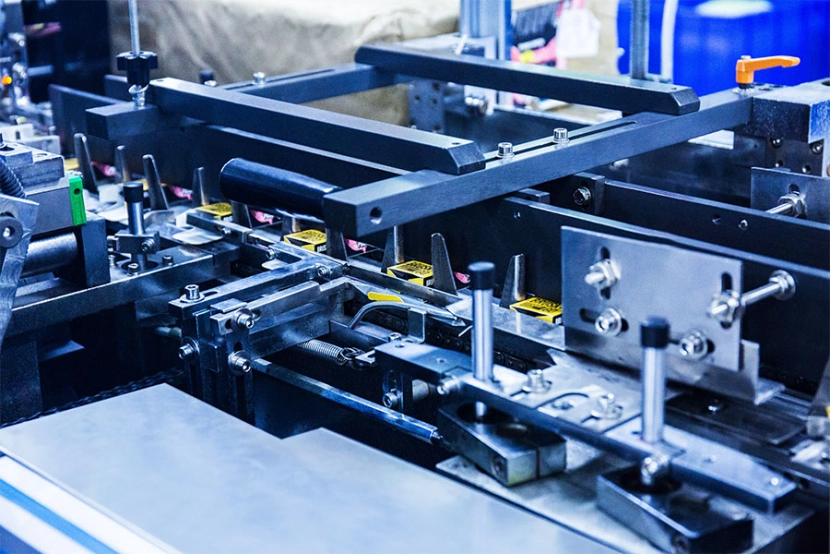
In response to these demands, Chinese exporters have modernized their facilities, integrating high-capacity automated coating systems, precise die-cutting machinery, and advanced multi-lane packaging lines. These packaging solutions (such as those listed in our product showcase) ensure that patches are individually sealed in hermetic, multi-layered laminate pouches. This blocks oxygen and moisture to protect active ingredients, providing a long, stable shelf life.
Innovative Formulations and Advanced Technical Roadmaps
The next generation of transdermal nicotine patches focuses on improving bioavailability, reducing patch sizes, and enhancing user comfort. Our current technical roadmap highlights several key advancements:
1. Acrylic and Silicone Co-polymer Adhesive Matrices: Traditional polyisobutylene (PIB) adhesives are being replaced by acrylic acid co-polymers. These materials support higher drug loading capacities, run cooler during manufacturing to prevent active ingredient loss, and offer excellent skin compatibility.
2. Micro-needle Array Patches (Dissolving & Solid): While traditional patches rely on passive diffusion, upcoming microneedle systems use micro-structures to penetrate the stratum corneum painlessly. This allows for rapid activation or higher delivery rates, expanding application possibilities.
3. Biodegradable and Eco-friendly Matrix Polymers: With growing environmental awareness, there is a push to develop patch backing films and release liners from biodegradable polylactic acid (PLA) or recycled polymers, reducing the ecological footprint of mass manufacturing.
Industrial Manufacturing Excellence & Global Infrastructure
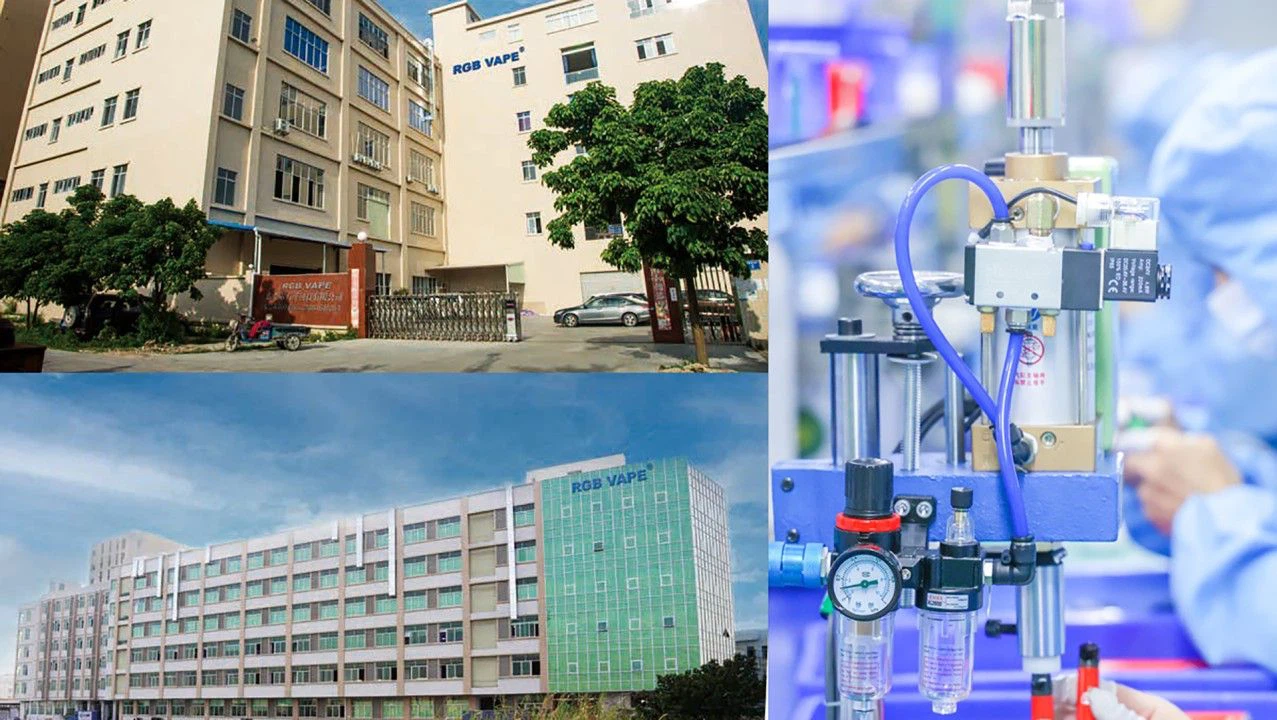
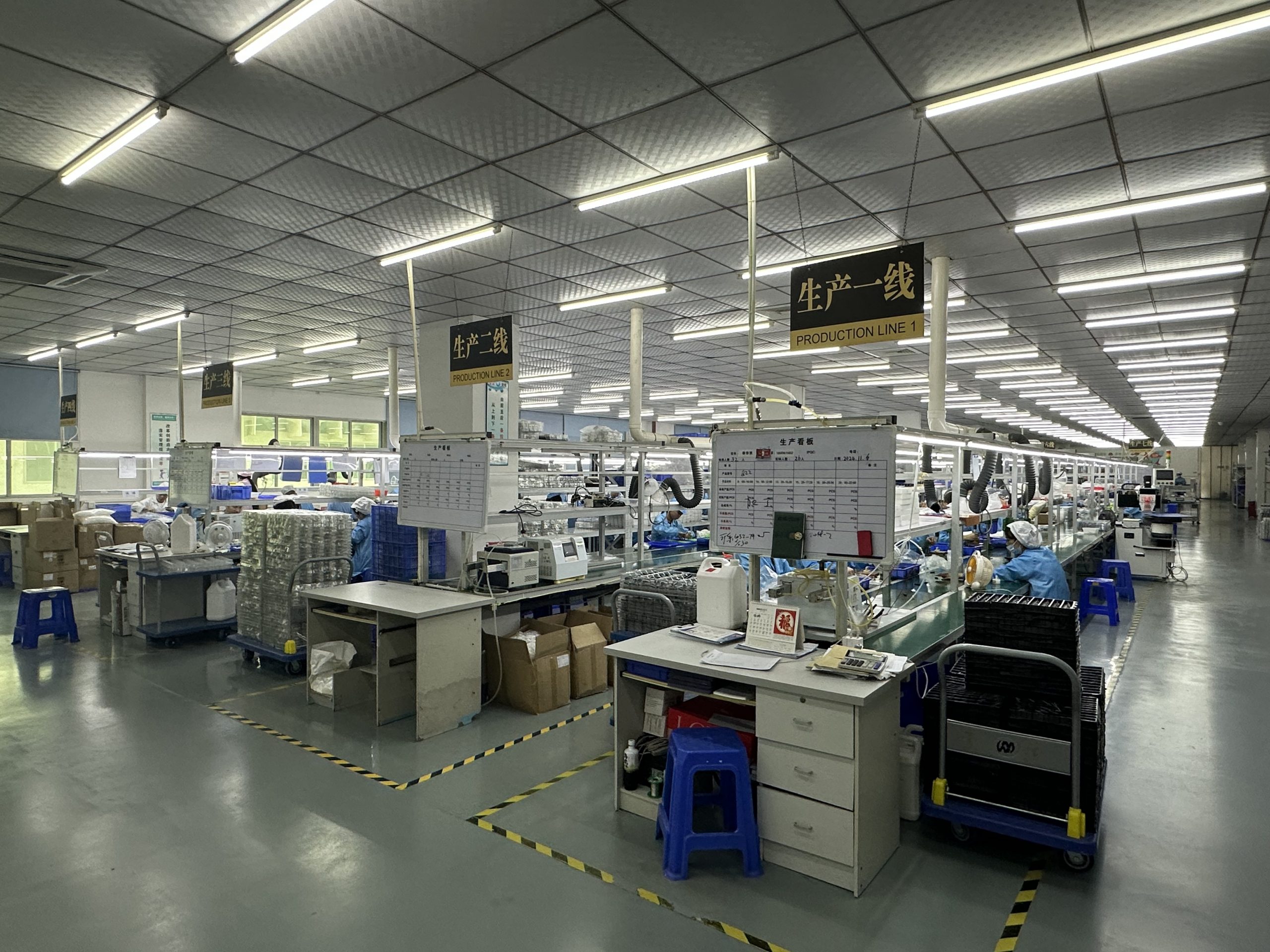
Connecting high-end hardware, automated lines, and certified quality control at Shenzhen Lush Vape Co., Ltd.
Shenzhen Lush Vape Co., Ltd.
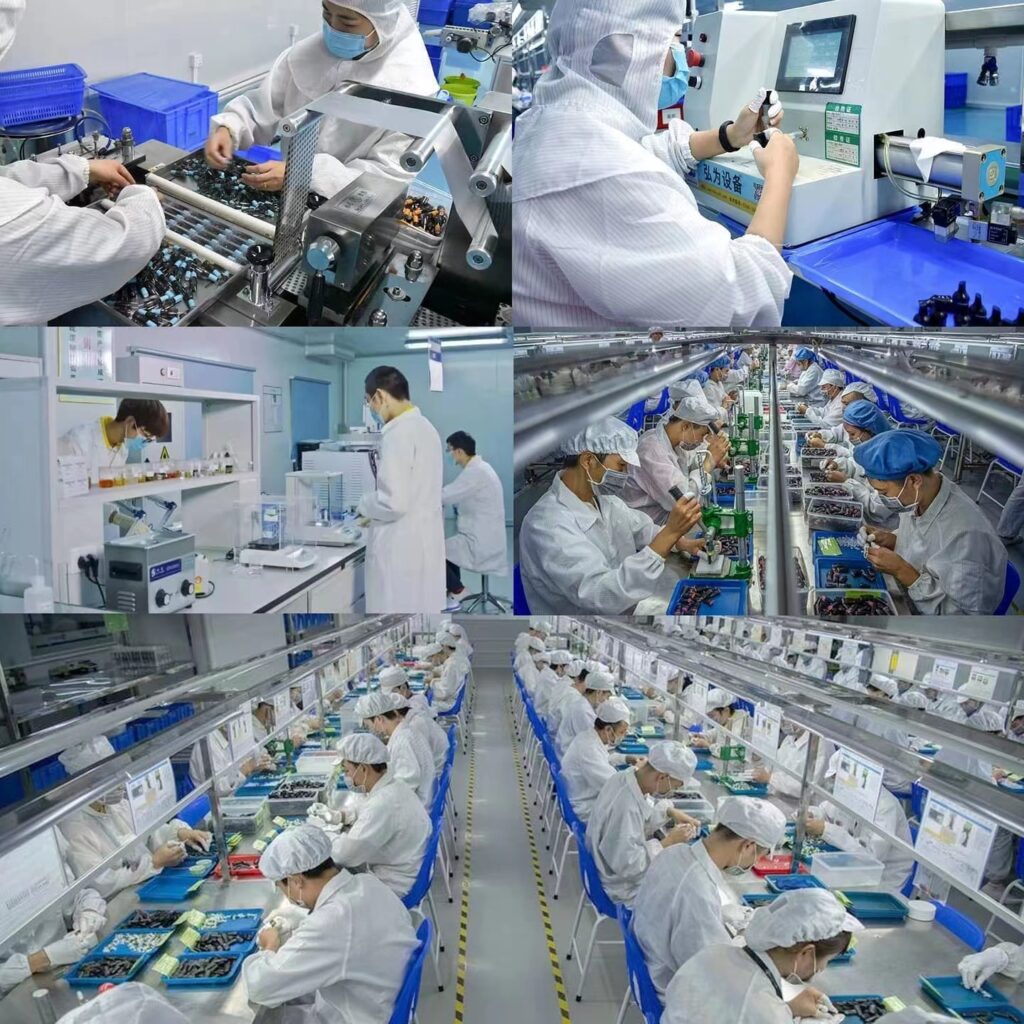
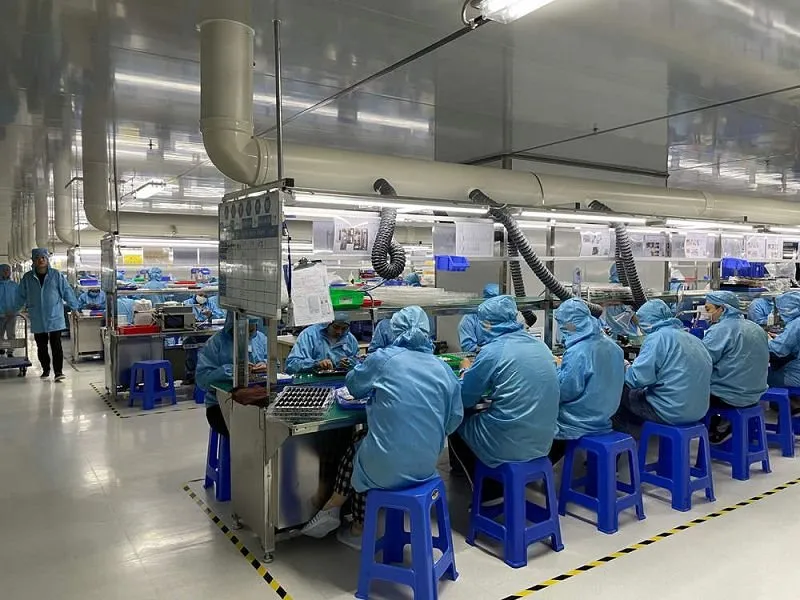
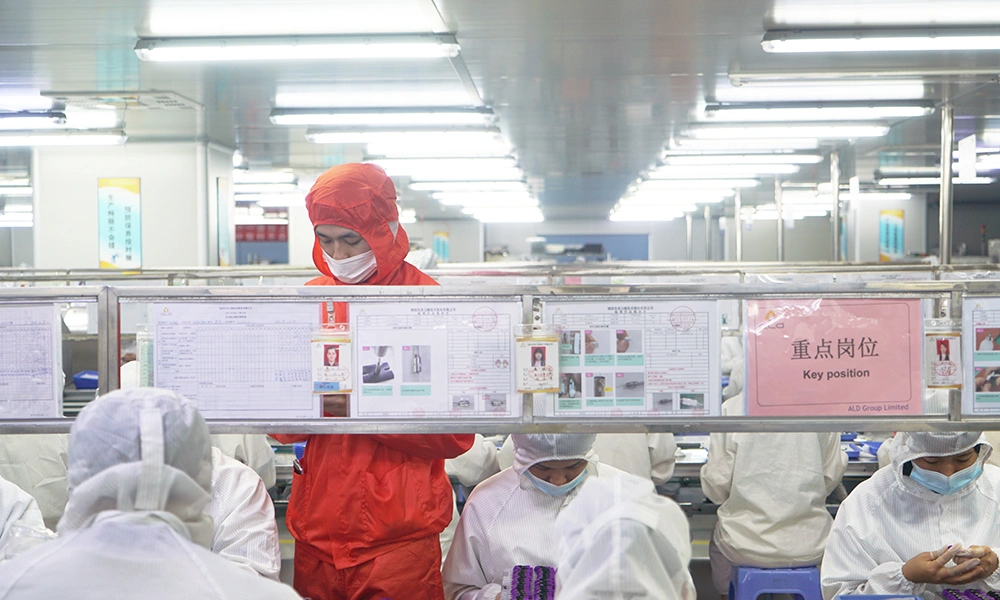
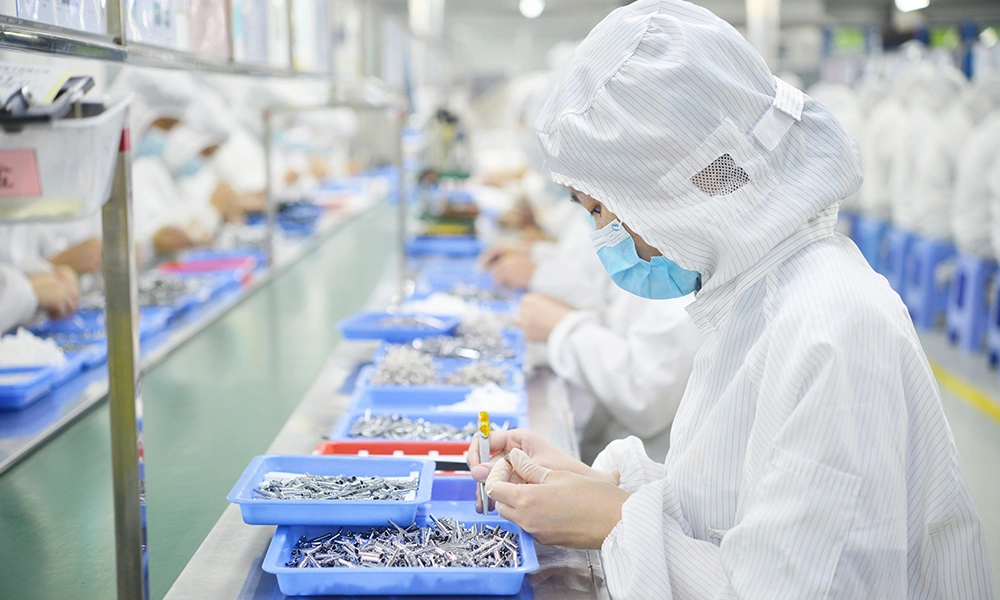
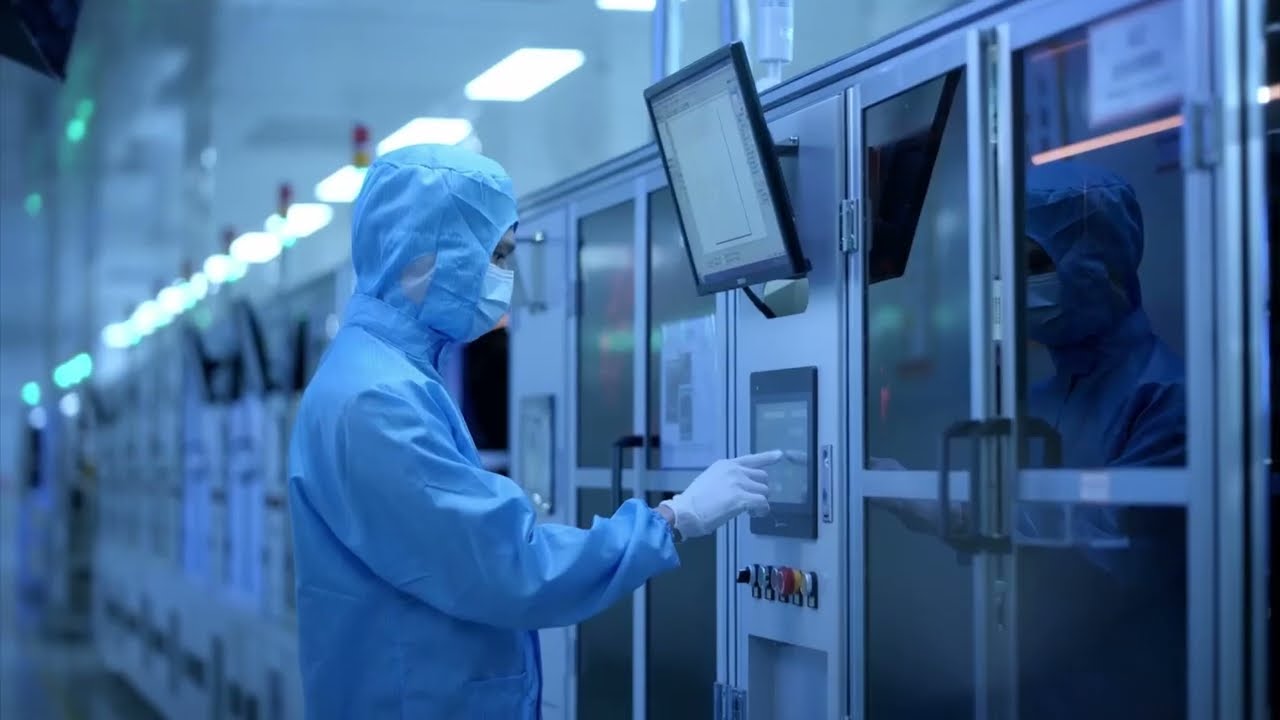
Located in the Bao’an District of Shenzhen, Guangdong Province, China, Shenzhen Lush Vape Co., Ltd. is a modern developer and manufacturer in the electronic atomization and wellness industries. Our facility features advanced R&D testing laboratories and automated production lines designed to meet international manufacturing standards.
Guided by a commitment to quality and innovation, we offer comprehensive OEM/ODM services to global brands. By combining our expertise in inhalation hardware, high-precision automated filling systems, and secure barrier packaging, we deliver reliable solutions that comply with major international regulatory frameworks.
Our facility operates controlled environments to prevent contamination, ensuring consistent product quality from formulation to final packaging.
Expert Q&A: Technical & Regulatory Insights
Detailed answers regarding formulation science, shelf stability, and global export processes.
Precision Hardware & Specialty Packaging Systems
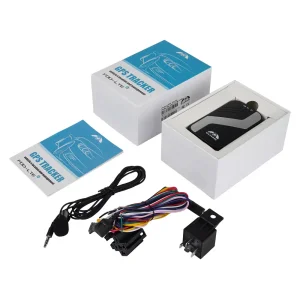
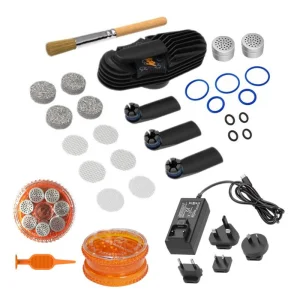
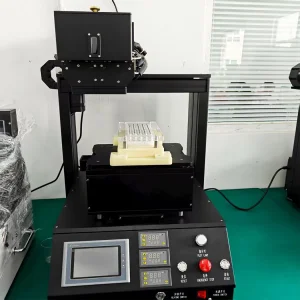
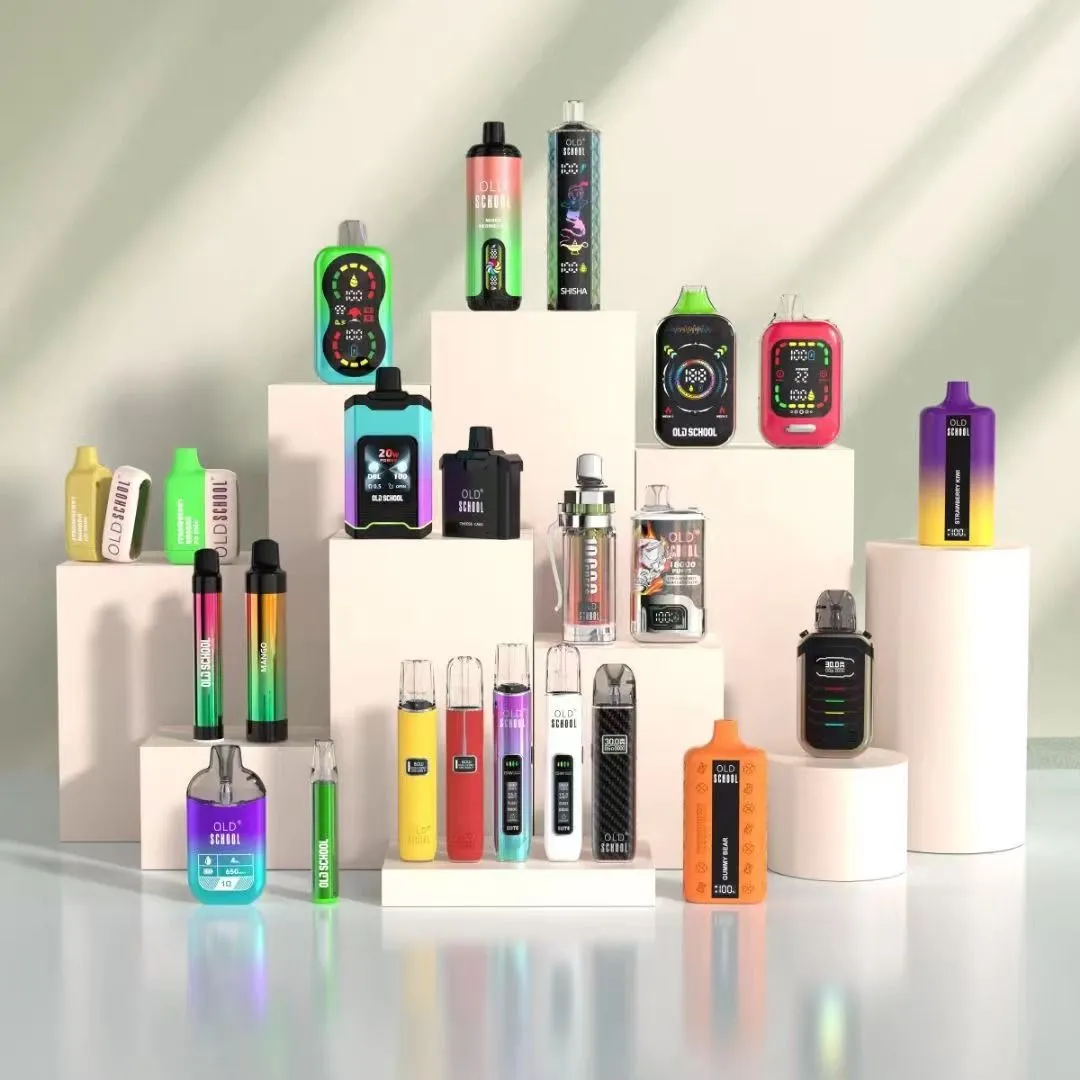
High-precision machinery, tracking hardware, and durable custom pouches supporting secure logistics and manufacturing.