Lush Vape
Featured Vaping & Technology Solutions




Global Vaping Industry & Commercial Landscape
The global vaping technology market has transitioned from a niche alternative to a multi-billion dollar industrial powerhouse. As of 2024, the focus has shifted from simple nicotine delivery to precision atomization technology. This evolution is driven by a global demand for safer, more efficient, and technologically advanced harm-reduction tools. From the bustling markets of North America to the strictly regulated corridors of the European Union, vaping technology is now an intersection of healthcare, consumer electronics, and sustainable engineering.
Today's industrial landscape is defined by the integration of AI-driven chips, mesh coil advancements, and sustainable power management. Global procurement chains are no longer just looking for products; they are seeking technological partners who can provide stability in compliance, innovation in design, and transparency in the supply chain. China remains the heartbeat of this industry, producing over 90% of the world's vaping hardware through highly specialized clusters like Shenzhen.
Global Market Share from China
Annual Tech Growth Rate
Countries Served Globally
Strict Manufacturing Standards
Key Trends Shaping the Future of Vaping
Smart Interaction
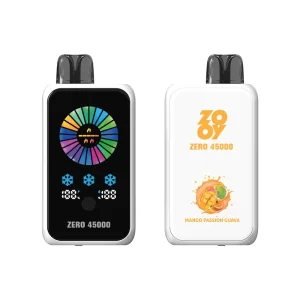
Full-screen displays, adjustable wattage, and Bluetooth connectivity are becoming standard for premium user experiences.
Sustainable Design
Shift towards biodegradable materials and recyclable battery systems to meet global environmental regulations.
Advanced Atomization
Dual mesh coils and ceramic core technologies ensure consistent flavor and prevent dry hits, even at high puff counts.
Compliance-First
TPD, PMTA, and local nicotine level adjustments are integrated into the initial product design phase.
Global Procurement & Localized Solutions
European Market (TPD)
Procurement here demands strict 2ml tank limits and 20mg/ml nicotine caps. Our factory provides TPD-ready pods and compliant labeling for seamless EU distribution.
North American Demands
Focus on high-puff counts (15k-45k), large screens, and PMTA-compliant manufacturing processes for established brands.
Emerging Markets
Customized flavor profiles and cost-effective pod systems designed for the unique consumer preferences of Southeast Asia and the Middle East.
Shenzhen Lush Vape Co., Ltd. - Corporate Excellence
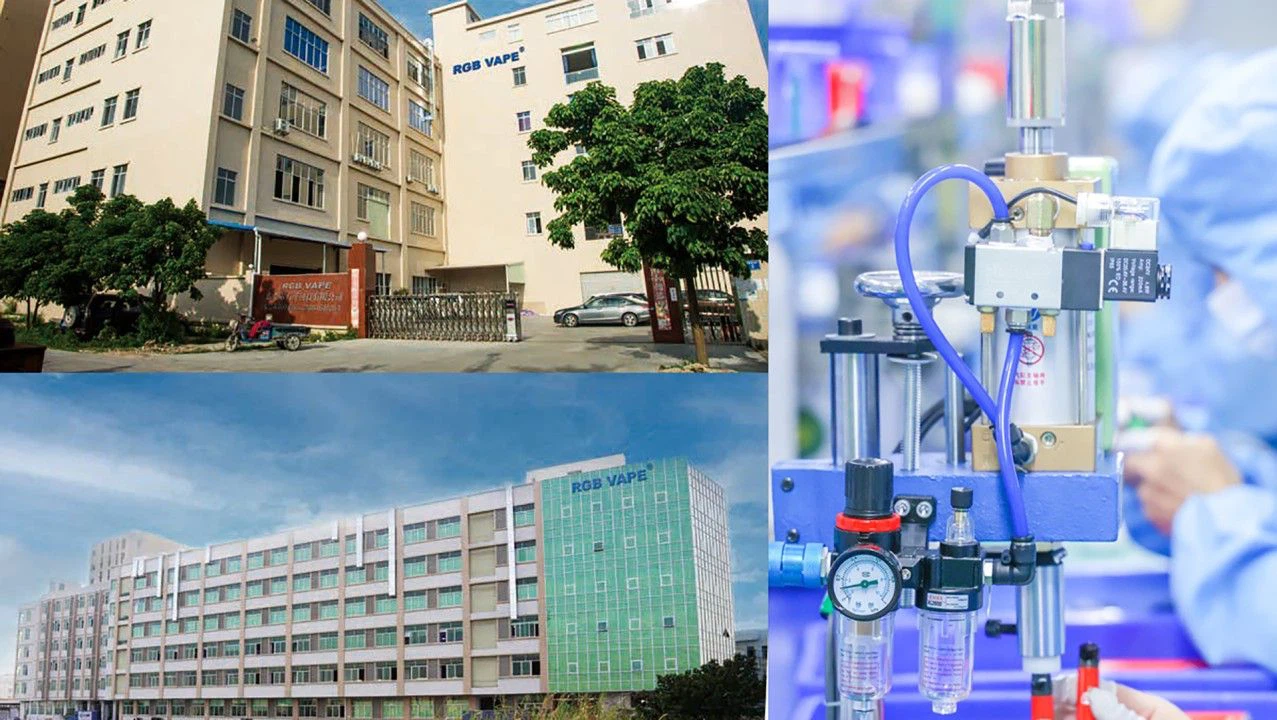
Shenzhen Lush Vape Co., Ltd. is located in Bao’an District, Shenzhen, Guangdong Province, China. Since its establishment, the company has been committed to the research, development, and innovation of health-oriented electronic atomization products.
With a clear vision of becoming a globally recognized brand group in the electronic atomization industry, Lush Vape continuously strengthens its international presence and brand influence. We bring together a team of highly skilled R&D engineers, experienced management professionals, and industry experts.
Guided by the philosophy of "innovation-driven development and quality-oriented growth," Shenzhen Lush Vape Co., Ltd. has achieved steady and sustainable expansion in both domestic and overseas markets.
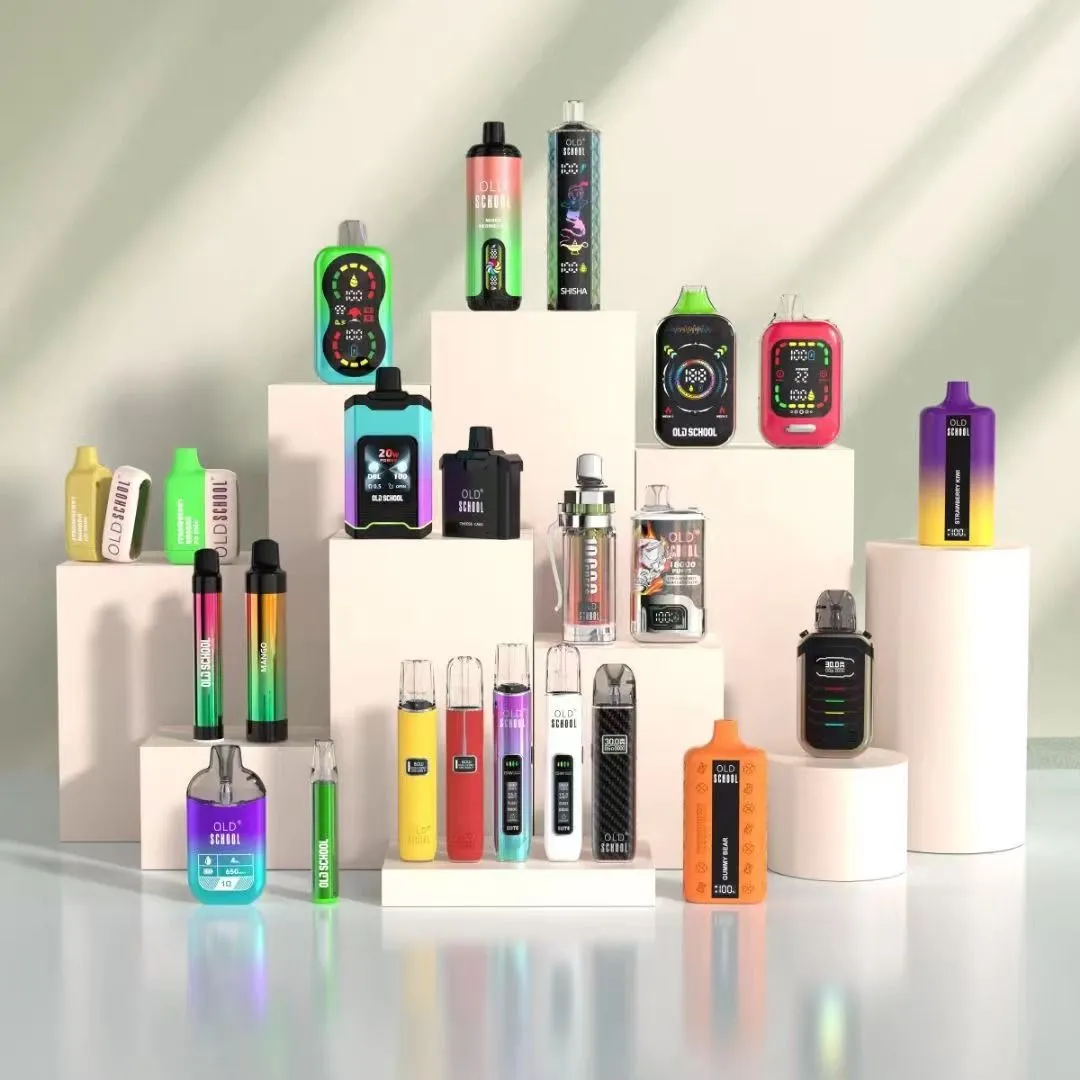
World-Class Manufacturing & Certification
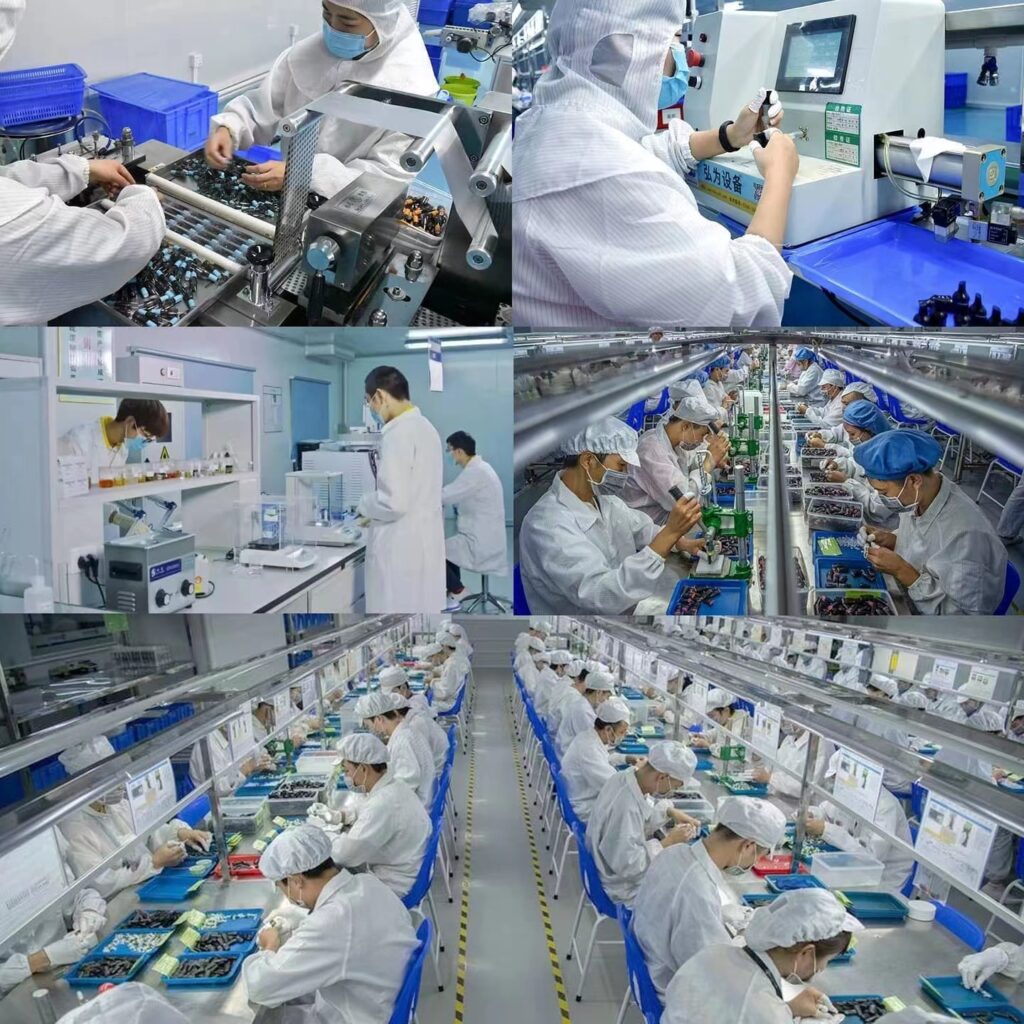
Lush Vape operates a fully compliant domestic e-liquid production base along with an advanced formulation and testing laboratory. This enables the company to rapidly develop and customize atomization products and e-liquids tailored to different regional preferences and regulatory requirements.
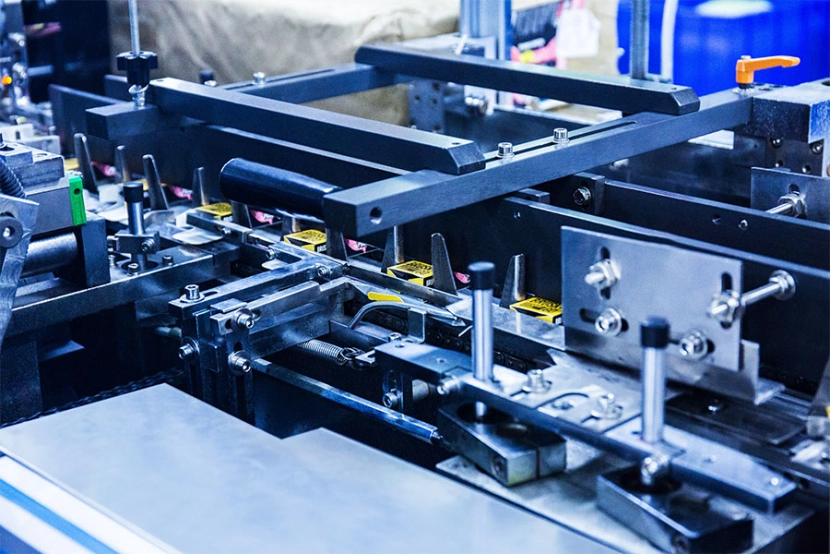
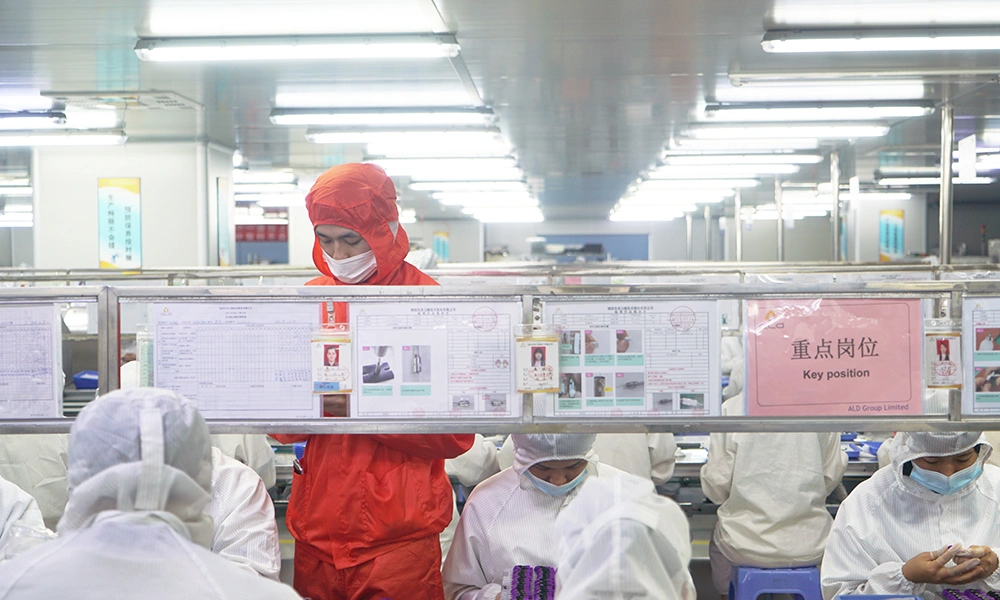
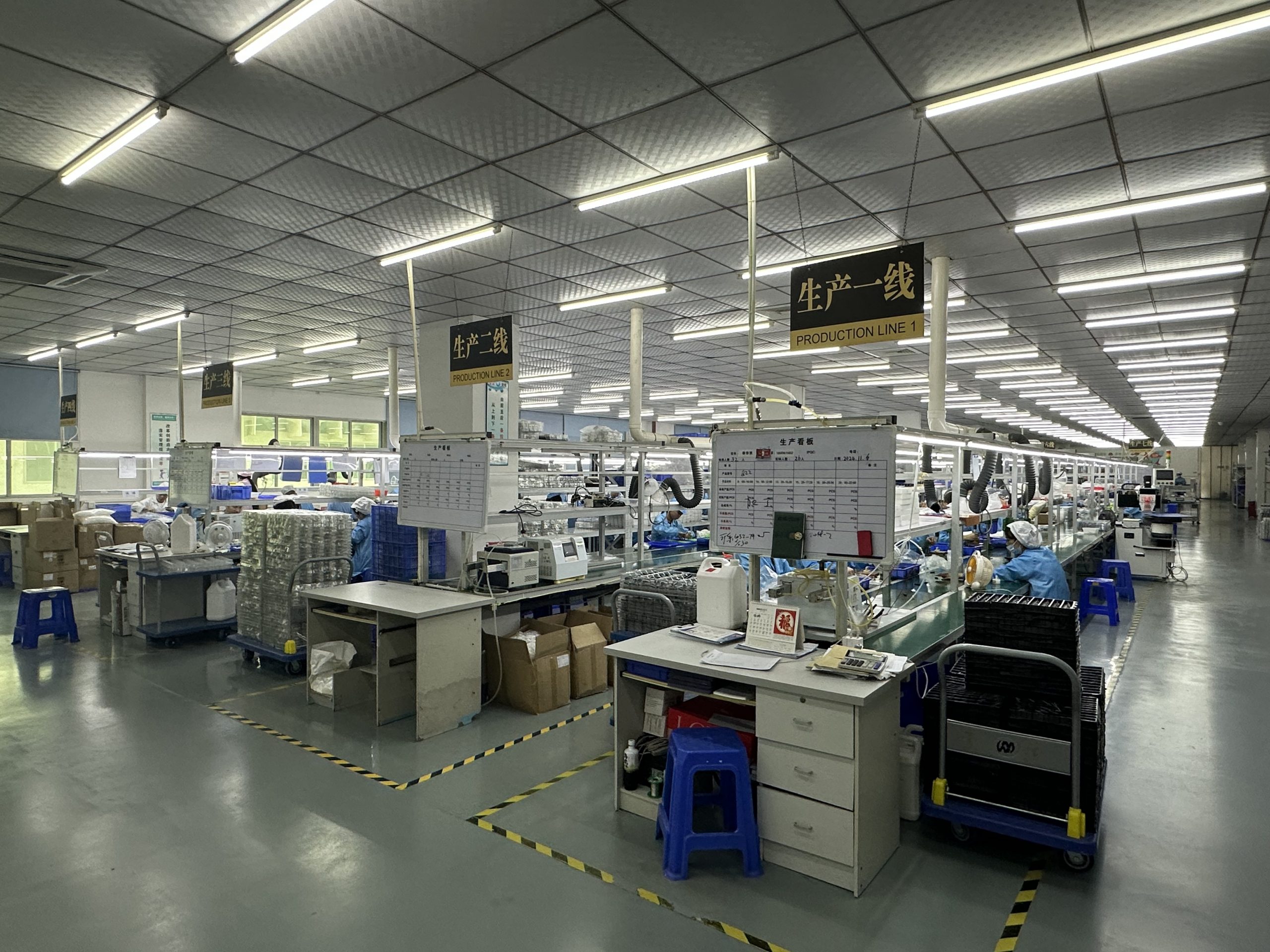
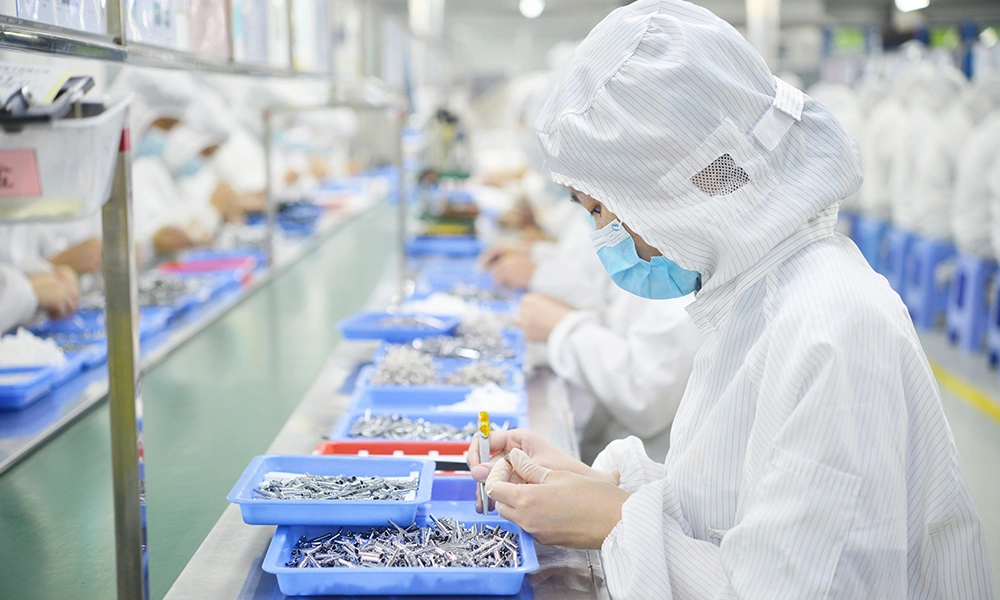
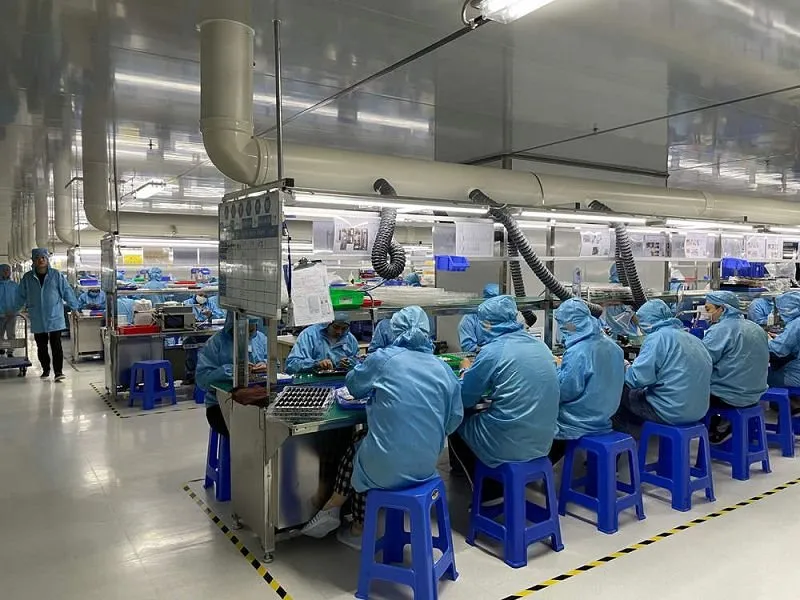
With modern production lines, strict quality control systems, and efficient supply chain management, we ensure high production capacity, product consistency, and fast delivery. Our facility adheres to international manufacturing standards, providing reliable OEM/ODM services to global partners.
Factory Capacity
Advanced automation and skilled workforce delivering millions of units monthly with zero-defect goals.
Why Partner with a China-Based Vaping Factory?
Full Chain Integration
From aluminum metal mod vape boxes to custom-designed nicotine pouches, we control the entire supply chain to reduce costs and lead times.
R&D Agility
Our labs can iterate a new flavor or hardware design within days, keeping your brand ahead of market trends and consumer demands.
Global Logistics
Experience in EU warehouses, duty-paid shipping, and compliant packaging ensures your products reach their destination without legal hurdles.
Innovation & Commitment
By leveraging cutting-edge technology and continuous innovation, we introduce high-performance, user-friendly, and market-oriented products. We invest heavily in R&D to explore new materials, improve product safety, and enhance user experience.